

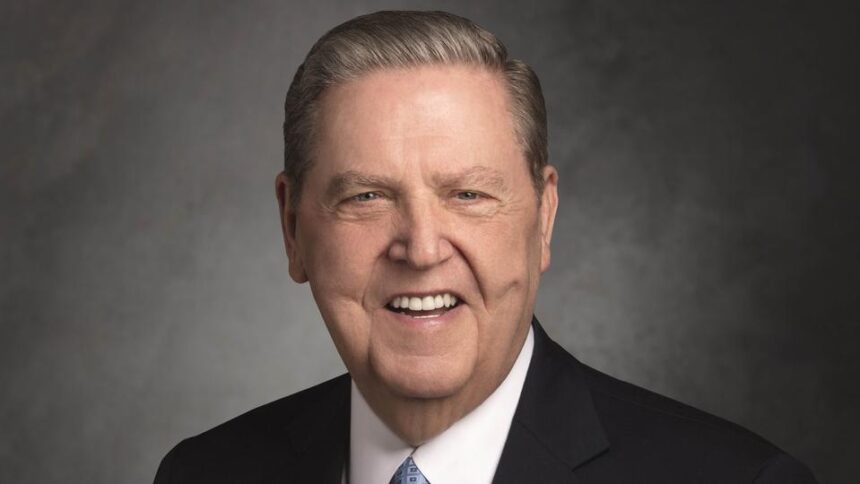
Jeffrey R. Holland, a senior leader of the Church of Jesus Christ of Latter-day Saints and the man next in line to become its president, has died at the age of 85, church officials announced Saturday.
Holland died early Saturday morning in Salt Lake City due to complications linked to kidney disease, according to a statement published on the church’s official website. His passing marks a significant moment for the global faith, which follows a long-established and closely observed leadership succession system.
At the time of his death, Holland served as president of the Quorum of the Twelve Apostles, one of the church’s highest governing bodies. The quorum plays a central role in shaping doctrine, setting church policy, and overseeing the extensive religious, educational, and business operations of what is widely known as the Mormon church.
Holland was the longest-serving apostle after church President Dallin H. Oaks, positioning him as next in line to lead the faith under its seniority-based succession plan. With Holland’s death, that position now falls to Henry B. Eyring, 92, who currently serves as one of Oaks’ two top counselors in the First Presidency.
Church leaders confirmed that Holland had been hospitalized over the Christmas holiday as his health declined. Observers of the faith had noted his absence from the First Presidency in October, when Oaks selected new counselors, citing Holland’s worsening condition. That same month, he attended several church functions while using a wheelchair.
His death creates a vacancy within the Quorum of the Twelve Apostles. President Oaks is expected to fill the seat in the coming months, typically by calling a new apostle from the church’s lower-tier leadership councils. In accordance with church doctrine, all apostles are men, reflecting the faith’s all-male priesthood structure.
Beyond his ecclesiastical role, Holland was a prominent figure in religious education. Raised in St. George, Utah, he spent much of his early career in education administration. From 1980 to 1989, he served as the ninth president of Brigham Young University, the church’s flagship institution based in Provo, Utah. He later became commissioner of the church’s worldwide education system.
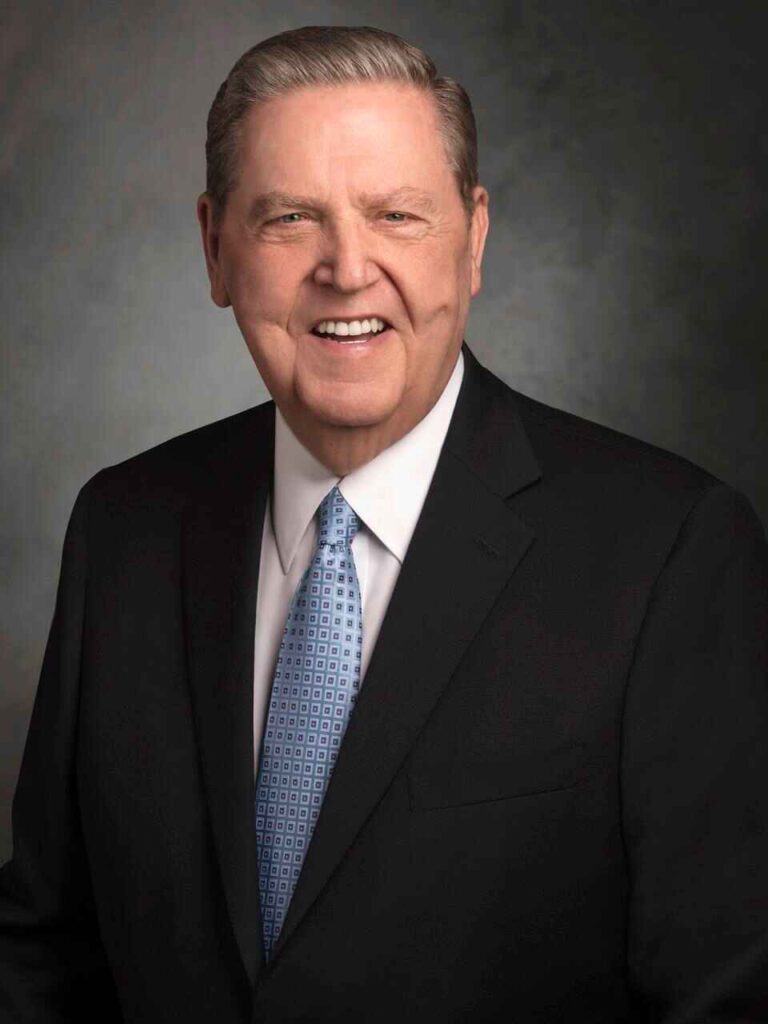
During his tenure at BYU, Holland was credited with expanding interfaith engagement and strengthening the university’s global footprint, including the establishment of a satellite campus in Jerusalem. His efforts to promote dialogue between faith communities earned him the Anti-Defamation League’s Torch of Liberty Award for advancing understanding between Christian and Jewish groups.
Holland’s legacy, however, also includes moments of controversy. He is widely remembered for a 2021 address urging church members to defend traditional teachings on same-sex marriage, using martial imagery that later became known as “the musket fire speech.” The address drew renewed scrutiny in 2024 when it was included as required reading for incoming BYU freshmen, prompting concern from LGBTQ+ students and advocacy groups.
Holland was preceded in death by his wife, Patricia Terry Holland. He is survived by their three children, 13 grandchildren, and several great-grandchildren.
As the church prepares for leadership adjustments in the months ahead, Holland’s death closes a chapter on one of the most influential and closely watched figures in modern Latter-day Saints history.
Read Also: $400K Lobster Shipment Vanishes Before Reaching Costco Stores