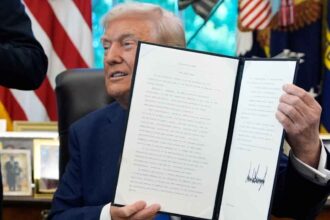

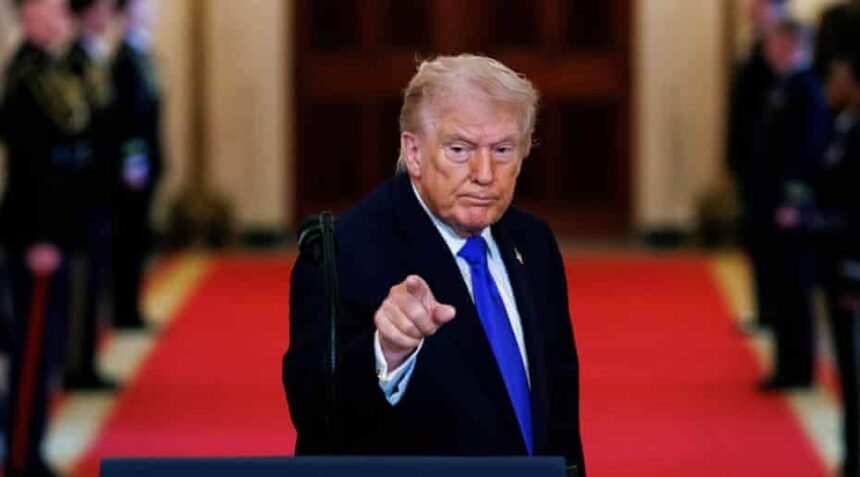
President Donald Trump’s latest State of the Union address is generating sharp political debate and widespread fact-checking scrutiny, with critics accusing the president of misrepresenting his record on tariffs, immigration enforcement, election integrity, and presidential pardons.
The speech which ran one hour and 47 minutes, making it the longest State of the Union on record leaned heavily on partisan attacks and sweeping claims about Democratic lawmakers, immigration policy, and crime. Trump declared that “Democrats are destroying our country.”
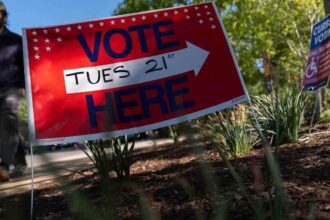
He also asserted that Democrats “want to cheat” in elections because “the only way they can get elected is to cheat,” and described election fraud as “rampant.”
Independent fact-checking organizations including PolitiFact, The New York Times, and CNN have published analyses challenging multiple statements made during the address, particularly surrounding voter fraud, economic performance, and immigration policy.
Trump renewed claims of widespread voter fraud despite numerous court rulings dismissing challenges to the 2020 election outcome. After his defeat, he pursued litigation and directly contacted state officials in an effort to challenge results.
In a call recorded without his knowledge, Trump asked Georgia Secretary of State Brad Raffensperger to “find 11,780 votes” that didn’t exist to give him a victory in the state.
During the address, Trump told lawmakers “we must totally reject political violence of any kind,” referencing broader concerns about unrest. His remarks come years after the January 6, 2021 Capitol riot, when supporters breached the United States Capitol following his calls to contest the election results.
A central theme of the speech was immigration reform and border security. Trump defended what he described as a crackdown on unauthorized immigration, arguing it strengthens public safety and protects American workers.
Critics contend the administration’s enforcement policies have led to deportations affecting long-term residents and mixed-status families. Business leaders in agriculture and manufacturing sectors have raised concerns about labor shortages tied to immigration restrictions — a development closely watched in labor market and small business economic circles.
Trump also defended tariff policies aimed at reshaping global trade relationships. However, some economists argue the tariffs have increased costs for importers and exporters, with ripple effects across supply chains and consumer pricing — key concerns in ongoing debates about inflation and cost of living.
On crime policy, Trump stated that “dangerous repeat offenders continue to be released by pro-crime Democrat politicians again and again.”
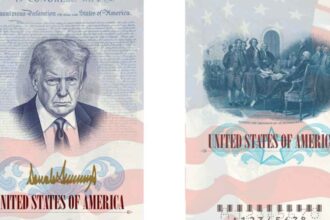
The president has exercised broad use of executive clemency powers. During his presidency, approximately 1,500 individuals charged or convicted in connection with the January 6 riot received pardons or commutations. In addition, Trump has granted pardons to 87 individuals and one corporation convicted of financial crimes. Collectively, those recipients had been ordered to pay more than $298 million in fines and restitution.
The administration has framed these actions as correcting judicial overreach and restoring fairness in the justice system. Opponents argue the scale and selection of clemency recipients warrant scrutiny.
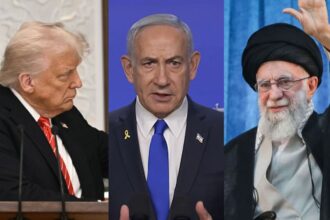
Trump portrayed himself as a stabilizing force in global affairs, citing diplomatic initiatives while simultaneously projecting military strength abroad. His administration has positioned substantial military assets near Iran amid heightened regional tensions, raising questions among foreign policy analysts about congressional authorization and war powers.
He also referenced actions involving Venezuela, including ordering the capture of that nation’s president and first lady, alongside military operations targeting small boats alleged to be connected to drug smuggling. At least 151 alleged smugglers were reported killed in those operations. No public evidence has been released confirming the individuals were engaged in drug trafficking.
Democratic officials and commentators have sharply criticized the tone and content of the address. A. Scott Bolden, an attorney and NewsNation contributor, described the speech as a “long temper tantrum filled with lies, insults and projection.”