
Tensions around the Strait of Hormuz have taken a sharp diplomatic turn, as Donald Trump demands urgent action from European allies to secure one of the world’s most vital energy corridors.
The push comes at a critical moment. A fragile pause in hostilities between the United States and Iran has created a narrow opening for diplomacy. Yet, oil shipments through the strait remain disrupted, and global markets are feeling the strain.
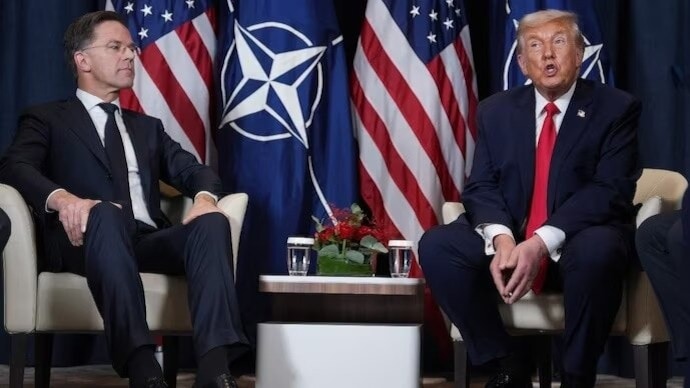
Washington is no longer accepting verbal commitments. Officials have asked European partners to submit concrete, operational plans within days on how they intend to protect maritime traffic in the region. The request followed a series of high-level meetings involving NATO leadership, including talks between Trump and Secretary-General Mark Rutte.
Behind closed doors, urgency is building. According to diplomatic briefings, Rutte has already relayed Washington’s expectations to several European capitals, stressing the need for immediate and tangible commitments.
Publicly, Trump has taken a far more confrontational tone. In a post on Truth Social, he criticized allies for what he described as delayed understanding of global threats, insisting pressure is often required to prompt action.
A multinational effort is already on paper. A coalition led by the United Kingdom, involving more than 40 countries including Japan and Canada, has pledged to help reopen the strait. The stakes are enormous. Nearly 20% of the world’s oil and gas passes through this narrow waterway.
Still, the situation on the ground tells a different story.
Despite a 14-day ceasefire announcement, fighting has not completely stopped. Iran has accused Israel of continuing strikes in Lebanon, calling it a violation of the agreement. The strait itself remains largely closed, with commercial shipping yet to return to normal levels.
Iranian Parliament Speaker Mohammad Bagher Qalibaf reinforced Tehran’s position, stating that Lebanon and the broader Resistance Axis are integral to the ceasefire framework under a proposed 10-point plan.
This disconnect between diplomatic assurances and real-world conditions is driving Washington’s impatience. U.S. officials want guarantees that if the ceasefire holds, oil tankers can move immediately without further delays.