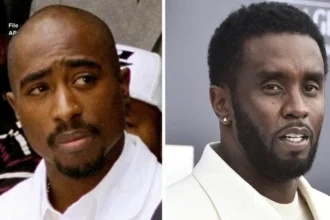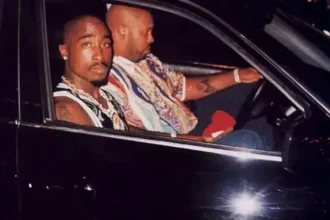

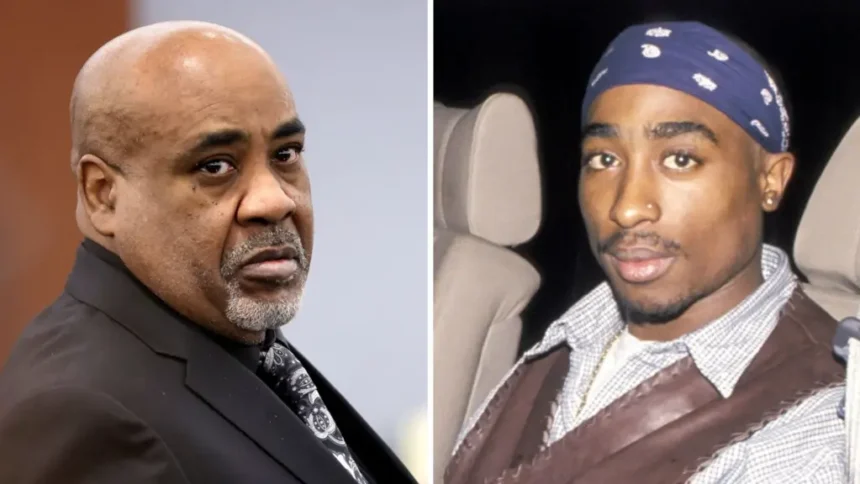
Nearly 30 years after rap superstar Tupac Shakur was fatally shot on the Las Vegas Strip, a Nevada jury has convicted former street gang leader Duane “Keffe D” Davis for his role in planning the 1996 drive-by attack.
The jury found the 63-year-old former South Side Compton Crips boss guilty of one count of murder with a deadly weapon. The quick verdict ended one of the nation’s most notorious unsolved cold cases.
Clark County District Court Judge Carli Kierny set sentencing for October 13. Following the verdict, Davis addressed the judge directly to ask for his personal belongings, including his phone, and confirmed his plan to appeal. The judge noted that an appeal could move forward after sentencing.
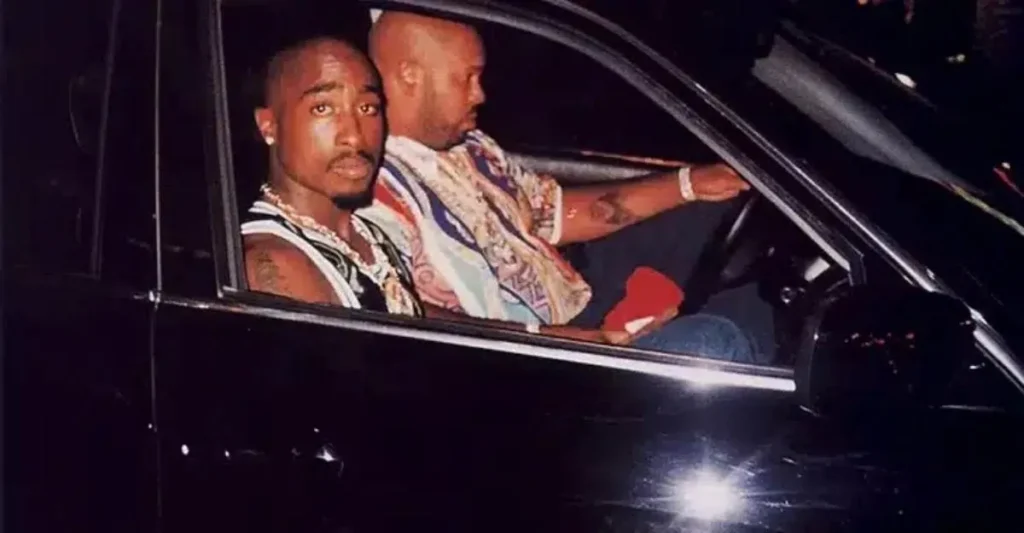
Shakur was 25 years old when he was gunned down on September 7, 1996, at the peak of his career. The artist sold over 75 million records worldwide, making him one of hip-hop’s most successful voices. His killing took place during deep gang feuds between the Crips and Bloods, as well as a heated rivalry between East Coast and West Coast rap artists.
Prosecutors told jurors that Davis did not fire the weapon himself. Instead, they proved he acted as the “shot caller” who directed the hit and provided the gun to his nephew, Orlando Anderson. The shooting was planned as retaliation after Anderson got into a fight with Shakur and the rapper’s crew earlier that night at a Las Vegas venue.
”When you have the shot caller sitting shotgun when shots are fired, there’s no doubt he’s responsible,” prosecutor Binu Palal stated during closing arguments.
The state’s primary evidence came from Davis himself. Over several years, Davis repeatedly admitted to being inside the white Cadillac during the drive-by shooting. He first detailed his role to law enforcement in 2008 during a confidential police interview regarding the death of rapper Notorious B.I.G., born Christopher Wallace.
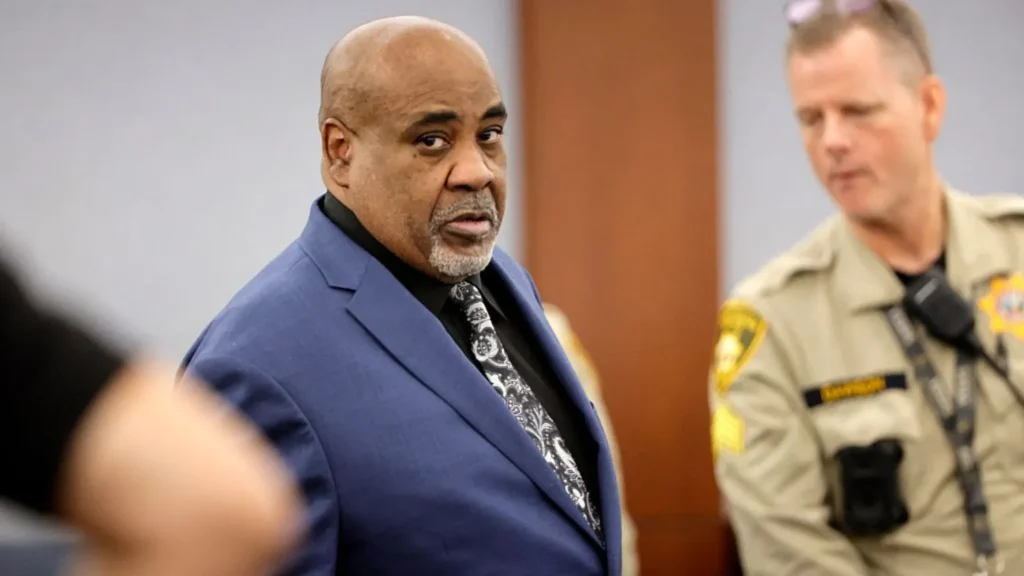
Davis spoke openly about the crime in public media appearances and in his 2019 memoir, Compton Street Legend. Those public statements voided his previous protective agreement with law enforcement, allowing prosecutors to use his police statements at trial.
Defense attorney Michael Sanft urged the jury to reject Davis’ statements. He argued that his client was a storyteller making up tales to sell books.
”There’s no proof,” Sanft told the court.
The jury deliberated for just a few hours before reaching a guilty verdict. Inside the courtroom, Shakur’s family members embraced while fans outside celebrated the long-awaited conviction.