

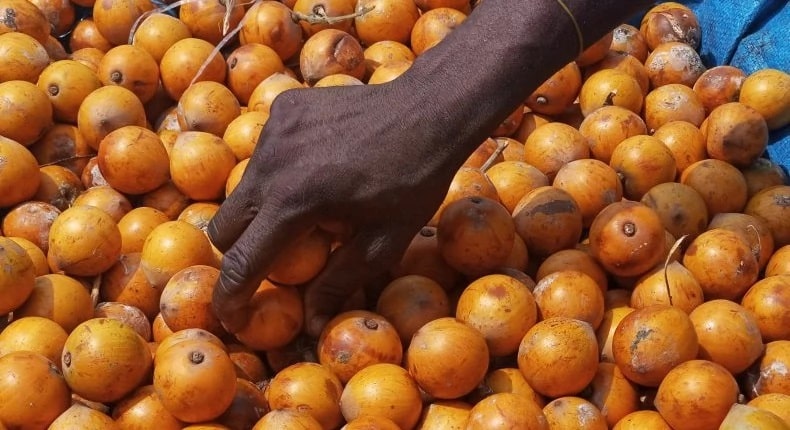
Health benefits of Alasa Fruit: Looking for the English name for ‘Alasa fruit’? The search is over. Here is the true name of this sweet and sour fruit, along with its top health benefits.
What is the English name for ‘Alasa Fruit’?
The English name for “Alasa” is the ‘African star apple‘. Its scientific name is “Chrysophyllum albidum“. It is a tropical fruit tree native to West Africa. In Nigeria, Yoruba people call it Agbalumo. Igbo people call it Udara, and Hausa speakers call it Agbaluma or Agwaluma.
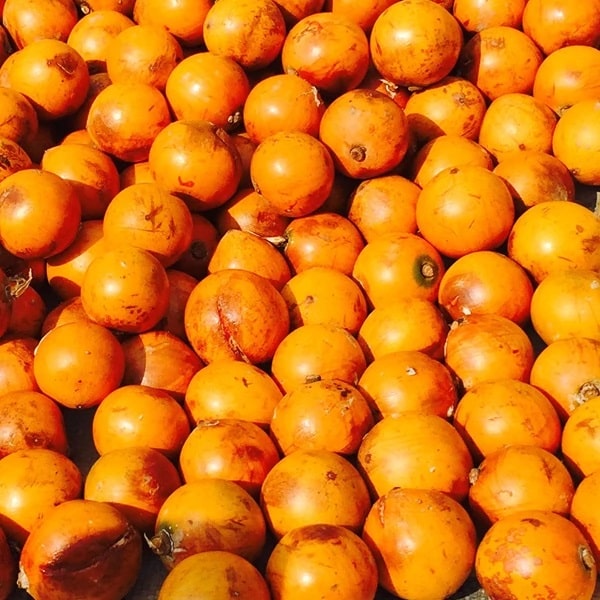
African star apple is not the same as standard starfruit (Averrhoa carambola) grown in Asia or the Caribbean. Alasa/Alansa belongs to the Sapotaceae plant family and features a thick leather-like skin with chewy orange pulp around dark seeds.
Related: 20 Health Benefits Of Dates And Date Recipes
Top Health Benefits of Alasa (African Star Apple)
Alasa is packed with essential nutrients that protect your body. Here is how eating this fruit boosts your daily health:
1. High Vitamin C Boosts Immunity
One Alasa fruit gives you more vitamin C than a single orange. Vitamin C builds strong immune cells, keeps skin smooth, and helps your body absorb iron from food.
2. Packed with Natural Antioxidants
The fruit contains polyphenols and flavonoids. These antioxidants stop cell damage caused by free radicals, lowering long-term risks of heart disease and inflammation.
3. Helps Control Weight Loss and Cravings
Alasa contains high dietary fiber and few calories. Fiber slows digestion, keeping your stomach full longer so you eat less throughout the day.
4. Supports Healthy Blood Sugar and Diabetes Management
Recent plant studies show leaf and fruit extracts from “Chrysophyllum albidum” lower blood glucose levels. The natural fiber stops sudden blood sugar spikes after meals.
5. Aids Digestive Health and Stops Constipation
Dietary fiber in the fruit pulp adds bulk to stool. Eating Alasa speeds up gut movement and prevents uncomfortable constipation.
6. Lowers High Blood Pressure and Protects the Heart
Alasa contains potassium and cardiotonic compounds. These elements help relax blood vessels, control high blood pressure, and improve daily blood flow.
7. Eases Nausea and Relieves Morning Sickness in Pregnancy
The distinct tangy-sour taste of Alasa stops nausea and vomiting. Pregnant women frequently use it to calm upset stomachs during early pregnancy.
8. Traditional Use for Fighting Malaria and Sore Throat
Bark and seed extracts from the tree contain natural antimicrobial properties. Herbal practitioners use them to treat sore throat symptoms and soothe fever from malaria.
9. High Water Content for Hydration
Alasa fruit is 73% water. Eating it on hot days restores lost body fluids and keeps your body hydrated.
African Star Apple Nutritional Value (Per 100g)
Here are the verified nutritional facts for every 100 grams of fresh Alasa fruit pulp:
- Energy: 91.09 kcal
- Moisture: 73.00 g
- Carbohydrate: 10.49 g
- Protein: 1.52 g
- Fat: 2.49 g
- Total Dietary Fiber: 1.92 g
- Vitamin C: 25.00 mg
- Phosphorus: 18.95 mg
- Iron: 0.49 mg
- Vitamin B1 (Thiamine): 0.049 mg
- Vitamin B2 (Riboflavin): 0.038 mg
- Vitamin B3 (Niacin): 1.137 mg
- Tryptophan: 0.004 g
- Methionine: 0.002 g
- Lysine: 0.022 g
Related: 25 Vaseline Hacks You Should Know
Side Effects of Alasa Fruit
Alasa is healthy, but overeating causes mild side effects. High acid content in unripe fruit triggers stomach cramps or heartburn. Eating too many seeds or unripe flesh also leads to constipation from dense tannin compounds.
Frequently Asked Questions
Is Alasa fruit good for pregnant women?
Yes. Alasa provides vitamin C, iron, and fiber for pregnant women. Its sour taste relieves morning sickness, while its high nutrient profile supports fetal growth.
What is the main difference between Alasa and Agbalumo?
There is no species difference. Alasa is the Ghanaian name, while Agbalumo is the Yoruba name for the exact same fruit, Chrysophyllum albidum.
Does Alasa fruit help lower blood sugar?
Yes. Studies indicate that the antioxidants and fiber in African star apple help regulate blood sugar levels and improve insulin sensitivity
What are the main health benefits of Alasa fruit?
Alasa fruit is rich in Vitamin C, which protects your body from sickness. It also contains fiber to improve digestion and helps lower blood sugar and cholesterol levels.
What is the English name for Alasa fruit?
The English name for Alasa is the African Star Apple. In some regions, people also call it the African cherry fruit.
What are the different names for African Star Apple?
This fruit has many local names in West Africa. It is called Alasa (or Alansa) in Ghana, Agbalumo in Yoruba (Nigeria), and Udara in Igbo (Nigeria)
What are the side effects of eating too much Alasa?
Eating too much unripe Alasa can cause stomach cramps or heartburn due to its high acid content. Excess intake of dense fruit pulp may also lead to temporary constipation.