
A Catholic nun detained by U.S. Immigration and Customs Enforcement (ICE) while walking to church in South Texas has been released after elected officials stepped in, according to the Diocese of Brownsville.
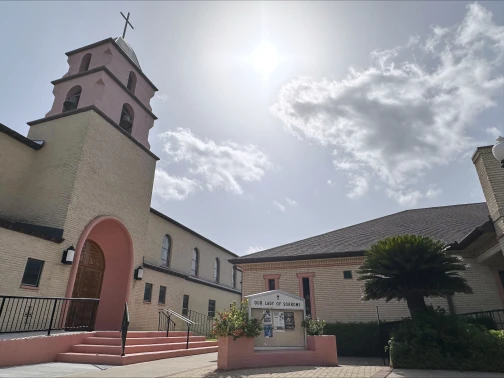
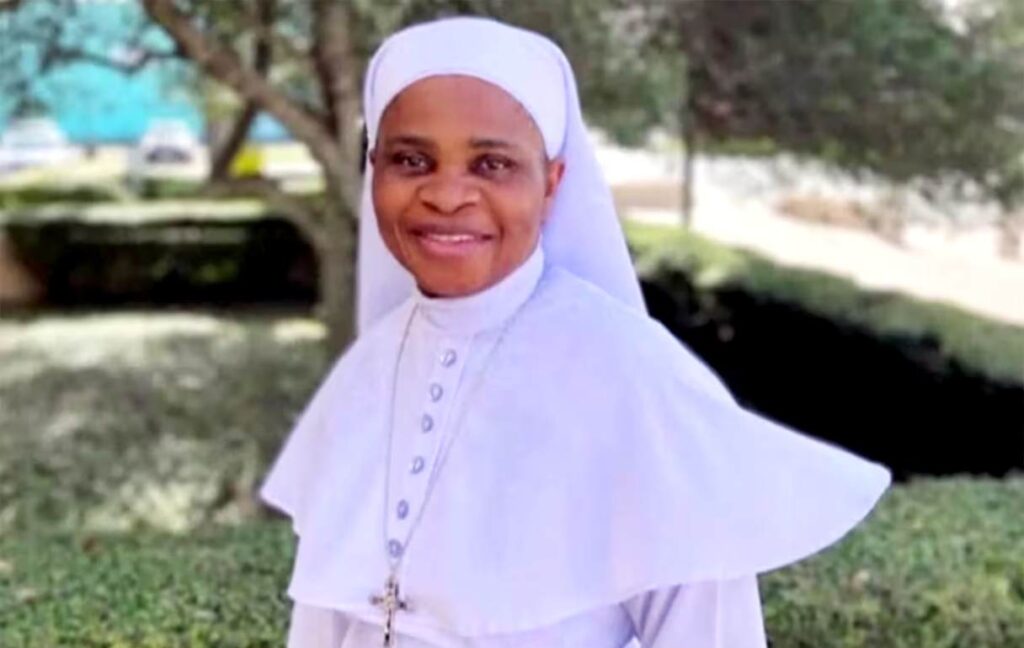
Sister Leticia Ugboaja was taken into custody on Sunday as she walked to Mass at Our Lady of Sorrows Church in McAllen, Texas. The church is located only a few miles from the U.S.-Mexico border. She was wearing her religious habit when ICE officers stopped her.
The arrest quickly gained national attention after parish leaders shared news of the incident on social media. The posts spread widely and prompted several members of Congress, including U.S. Rep. Monica de la Cruz, to contact federal officials on Ugboaja’s behalf.
By Monday, the nun had returned home following those efforts.
The Diocese of Brownsville said Ugboaja belongs to the Daughters of Mary Mother of Mercy and serves as an Extraordinary Minister of Holy Communion at Our Lady of Sorrows Church.
Diocese spokesperson Brenda Riojas also confirmed that Ugboaja works as a registered nurse at South Texas Health System. Before entering that role, she spent 10 years as a certified nursing assistant at DHR Health in Edinburg.
Riojas thanked local officials who worked to secure the nun’s release.
“We are grateful for the quick response of local representatives who reached out to the Department of Homeland Security to get her released from custody,” Riojas added in her statement.
As of Monday, the Department of Homeland Security and ICE had not responded to requests for comment about the detention.
The incident comes as President Donald Trump’s expanded immigration enforcement continues to affect communities across the United States. Increased enforcement actions, including operations at locations previously considered sensitive, such as houses of worship, have led many faith leaders to change how they support congregations.
Some churches now encourage people worried about immigration enforcement to participate in services online. Others have organized volunteers to help vulnerable families with everyday needs, including grocery shopping, so they can avoid unnecessary travel outside their homes.
UPDATED: ICE Arrest of Texas Nun Sparks Demands for Answers After Swift Release