


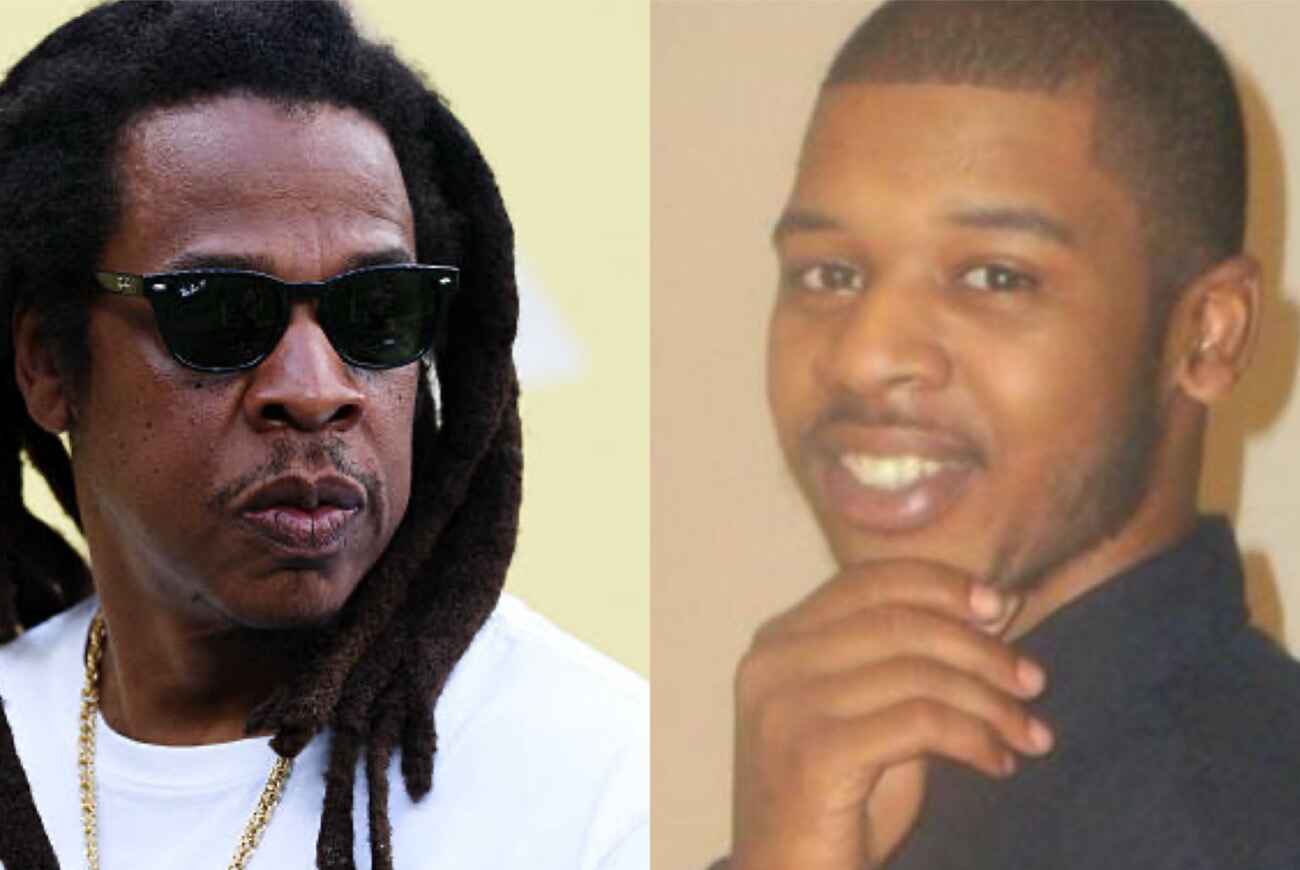
A U.S. court has formally shut down the latest chapter of a long-running paternity dispute involving hip-hop billionaire Jay-Z, awarding him nearly $120,000 in legal fees and bringing renewed finality to a case that has circulated through the courts for more than a decade.
The ruling dismisses claims brought by Rymir Satterthwaite and his legal guardian, Lillie Coley, who have repeatedly alleged that the music mogul is Satterthwaite’s biological father. Judges have consistently rejected those claims across multiple jurisdictions, and the most recent decision reinforces that pattern.
Satterthwaite has long framed his legal pursuit as a personal search for truth rather than financial compensation. In a 2024 statement, he said, “I truly wish to bring this issue to a close. My priority is not financial gain; I am simply seeking the truth.”
However, in July, he abruptly withdrew his lawsuit without publicly detailing the reasons behind the decision. Even then, he signaled continued determination, stating, “Although I have retracted my legal action, the fight is far from over.”
The case expanded further when Coley, who has served as Satterthwaite’s caretaker and godmother, filed a separate lawsuit against Jay-Z. She accused him of deliberately avoiding DNA testing and parental responsibility, while also alleging misconduct by the New Jersey Attorney General. Coley claimed misrepresentations by state officials damaged her federal case and caused significant financial hardship.
The court found no legal grounds to support those accusations. In a decisive order, the judge dismissed Coley’s lawsuit with prejudice, preventing any future amendments. The ruling stated, “The Court has carefully examined the Motion and determined it is suitable for adjudication without oral argument. The Motion is GRANTED, and the Complaint is DISMISSED without leave to amend.”
Beyond the dismissal itself, the court imposed financial penalties. According to AllHipHop, Coley was ordered to pay approximately $119,235.45 in legal fees under California’s anti-SLAPP statute, a law intended to shield defendants from lawsuits deemed frivolous or retaliatory in nature.
Jay-Z’s legal team has consistently argued that the repeated filings amount to harassment rather than legitimate legal claims. In earlier court documents, the attorneys described the situation as a “prolonged harassment campaign.” A July 2025 dismissal motion further asserted, “The fabricated allegations have been systematically addressed and rejected in multiple jurisdictions. The plaintiff’s persistent harassment of the defendant and blatant disregard for court orders have already subjected him to a contempt order.”