




Have you ever wondered if there are still corners of our planet where ancient traditions remain completely untouched by the modern world? The Himba tribe of Namibia is perhaps the most striking example.
Often making headlines for their “Okujepisa Omukazendu” custom where hospitality reportedly extends to offering a spouse to a guest this tribe offers a window into a lifestyle that prioritizes community and heritage above all else.
It is known that the Himba tribe of Namibia offers free sex to guests who come knocking on their doors, and also, people of the tribe do not bathe.
The people try hard to ensure that foreigners do not taint their beliefs and culture in any way.
In this deep dive, we’re looking at the reality behind the myths, their unique hygiene rituals, and how they’ve maintained their identity in 2026.
Who Are the Himba People?
The Himba (often called the Ovahimba or Omhimba people) are indigenous people with an estimated population of about 50,000 people living in northern Namibia, in the Kunene Region (formerly Kaokoland) and on the other side of the Kunene River in southern Angola.
As semi-nomadic pastoralists, they are primarily livestock breeders and farmers. However, the social structure is deeply gendered. Per what we have learned, the women and girls of the tribe do most of the labor. Their daily lives involve:
- Crafting intricate jewelry and clothing that signifies social status.
- Carrying water to the village.
- Earthen plastering the mopane wood homes with a traditional mixture of red clay soil and cow manure binding agent.
- Collecting firewood and tending to calabash vines.
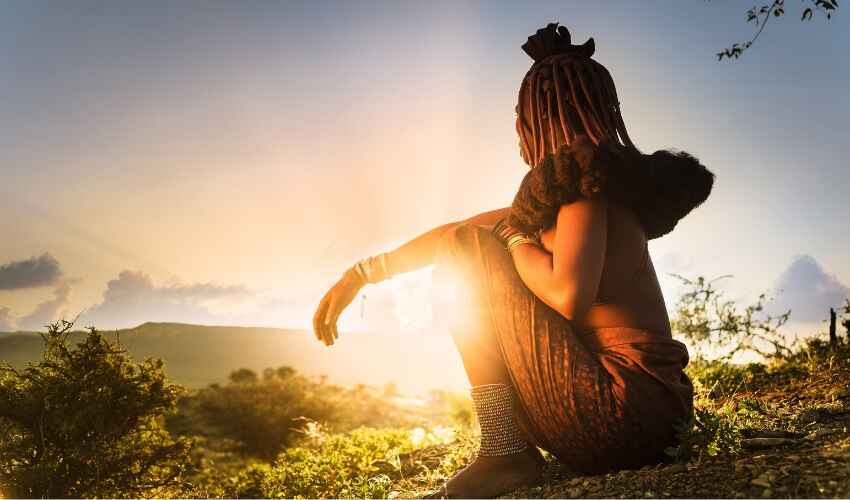
The Truth About the “Okujepisa Omukazendu” Tradition
One of the most discussed aspects of the Himba tribe of Namibia is their unique way of welcoming visitors. While it may seem shocking to Western sensibilities, the tribe views hospitality as a sacred duty.
The Guardian reports that “When a visitor knocks, a man expresses his approbation and joy at seeing him by giving him the Okujepisa Omukazendu treatment, which entails offering his wife to his visitor to spend the night while the husband sleeps in another room. If no lodging is available, her spouse will sleep outside.”
According to local elders, this practice is intended to reduce jealousy and foster stronger communal relationships. During a visit by popular Ghanaian YouTuber Wode Maya, a local explained the philosophy simply:
“When you come here as a visitor and you have no place to sleep and I have more than a wife, I can tell my wife that my cousin has arrived and we will prepare her for him. They will have a full room to themselves. We give our wives to our visitors, and that’s our culture. That’s how good we treat our visitors.”
Related: List Of Countries That Watch Porn Most
Why the Himba People Do Not Bathe
Another tradition that has stood the test of time is the “bathing is forbidden” rule. In the semi-arid climate of the Kaokoland, water is a precious resource reserved for livestock and drinking.
Instead of a traditional water bath, the women take a daily smoke bath. They place burning charcoal into a bowl of herbs and lean over it, allowing the heat and smoke to induce perspiration and cleanse the body.
The Secret of the Red Skin: Otjize
The most iconic feature of the Himba tribe of Namibia is their deep crimson skin tone. They are guided by the belief that the colour red signifies “Earth and blood.”
This look is achieved by applying otjize paste—a combination of butterfat, omuzumba scrub and ochre. Beyond aesthetics, this paste serves a vital technical purpose: it protects their skin from the harsh desert sun and works as a natural insect repellent.
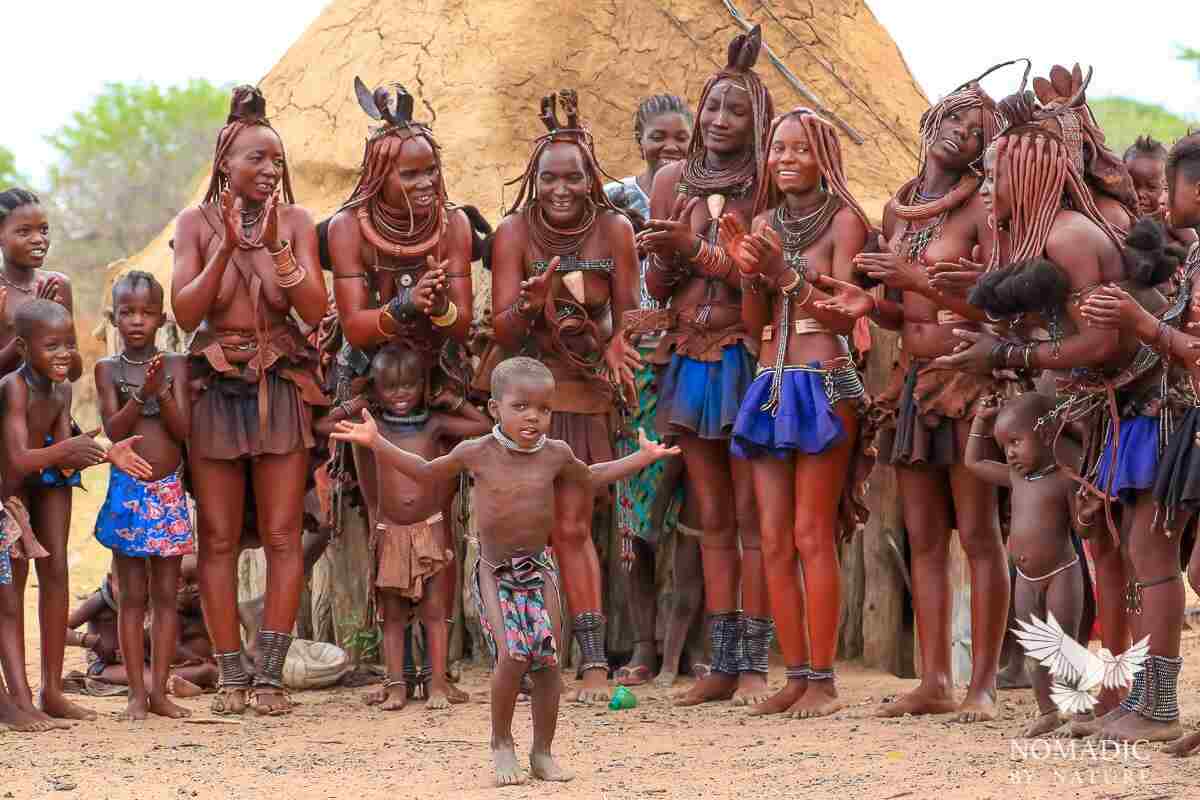
Even in 2026, the Himba people continue to fascinate global audiences. While the people try hard to ensure that foreigners do not taint their beliefs and culture in any way, they have occasionally allowed creators to document their lives.
Recently, American streamer IShowSpeed visited Namibia during his 2026 tour, experiencing the tribe’s hospitality firsthand. These interactions highlight the tension between ancient preservation and the digital age, yet the Himba remain steadfast in their traditional ways.
Watch: Wode Maya’s Cultural Experience
Watch: IShowSpeed Explores the Himba Tribe
NOTE: This article was first published in 2021, but keeps getting updated by time.
FAQ: Frequently Asked Questions
Where is the Himba tribe located?
The Himba primarily reside in the Kunene Region of Northwest Namibia and parts of Southern Angola.
Why do Himba women have red skin?
They apply a mixture called otjize (butterfat and ochre) to protect themselves from the sun and insects, which gives their skin a red hue.
Is the “free sex” tradition still practiced?
The tradition, known as Okujepisa Omukazendu, is a deep-seated cultural practice regarding hospitality. While modern influences are growing, many rural communities still honor these ancestral customs.
Do the Himba people wear modern clothes?
Both the Himba men and women are accustomed to wearing traditional clothing that befits their living environment in the Kaokoland and the hot, semi-arid climate of their area, though some may use modern accessories.





![What is Valentine's Day all about? [Watch this Video]](https://townflex.com/wp-content/uploads/2022/02/tehiqtkldew.jpg "What is Valentine's Day all about? [Watch this Video] 13")