


A University of Oklahoma professor who was detained by ICE as he prepared to board a flight to Washington, D.C., has been released after spending two days in federal custody, a development that has stirred concern across academic and immigration circles.
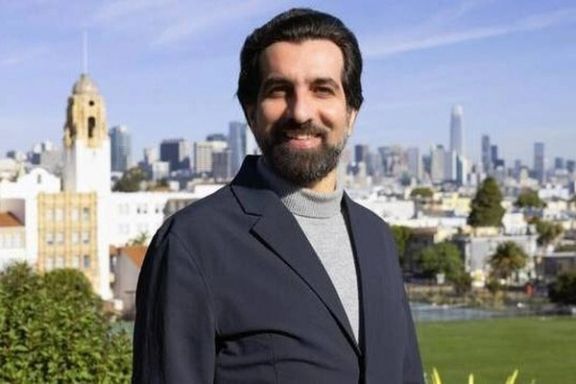
Vahid Abedini, the Farzaneh Family Assistant Professor of Iranian Studies at the University of Oklahoma, was taken into custody on Saturday, Nov. 22. He was on his way to an academic conference when immigration officials stopped him for what the agency later described as “standard questioning.”
Abedini announced his release in a LinkedIn post early Tuesday morning.
“I’m relieved to share that I was released from custody tonight,” he wrote around 2 a.m. Tuesday. “It was a deeply distressing experience, especially seeing those without the support I had. My sincere thanks to my friends and colleagues at the University of Oklahoma, the Middle East Studies Association, and the wider Iran studies and political science community for helping resolve this.”
ICE later confirmed the release in a brief statement, saying, “This Iranian national was detained for standard questioning.”
According to OU professor Joshua Landis, Abedini is in the country on an H-1B visa, a nonimmigrant work visa reserved for professionals in specialized fields such as technology, education, and health care. These visas are widely used by universities to hire international scholars.
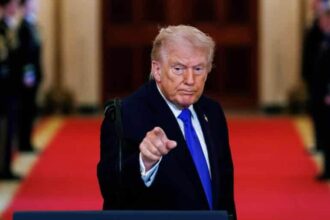
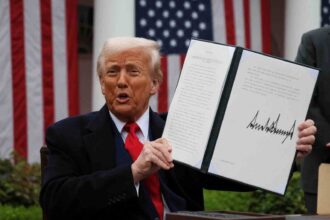
The incident comes amid heightened scrutiny of visa holders following a proclamation issued in September by President Donald Trump. Under the policy, employers seeking to bring new workers into the United States on an H-1B visa must pay a $100,000 fee for each application. Without that payment, workers would be denied entry.
While the proclamation does not directly affect current H-1B holders, immigration experts note that increased pressure surrounding the visa process could contribute to more aggressive screening and procedural detentions — even for established academics like Abedini.
For now, Abedini has returned to his role at the university, but the episode has amplified ongoing concerns within the research community about the chilling effect such encounters may have on academic collaboration and international exchange.