
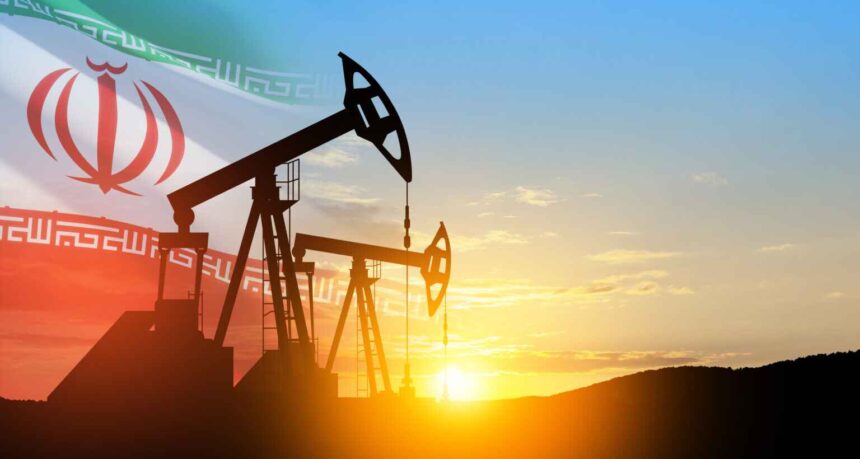
The United States has extended a key waiver allowing countries to continue buying Russian oil, a move aimed at stabilizing global energy markets rattled by the ongoing Iran war. The decision comes as oil prices surge and supply chains strain under one of the most severe disruptions in modern history.
The Treasury Department confirmed Friday that the waiver will remain in place until May 16. It permits the purchase of Russian oil loaded onto ships during that period, while still blocking transactions tied to Iran, Cuba, and North Korea. The extension replaces a previous 30-day measure that expired earlier this month.
Pressure from energy-dependent nations, particularly across Asia, played a central role. These countries have faced sharp cost increases as conflict in the Middle East disrupts supply routes and damages infrastructure. Behind closed doors, officials urged Washington to keep alternative oil flows moving to prevent deeper economic fallout.
The policy shift marks a sharp reversal. Just days earlier, Treasury Secretary Scott Bessent indicated the waiver would not be renewed. Now, with negotiations involving Iran accelerating and markets under stress, the administration has pivoted.
A Treasury spokesperson framed the decision as practical. “As negotiations (with Iran) accelerate, Treasury wants to ensure oil is available to those who need it,” the spokesperson said.
Oil markets reacted quickly. Prices dropped nearly 9% to around $90 per barrel after Iran briefly reopened the Strait of Hormuz, a critical shipping route. Even so, the broader outlook remains volatile. The International Energy Agency has warned the conflict has already triggered the worst global energy supply disruption on record.
The war, now entering its eighth week, has damaged more than 80 oil and gas facilities across the region. Tehran has threatened to shut the Strait of Hormuz again if U.S. naval operations near its ports continue.
Domestic politics are also shaping the decision. Rising fuel costs pose a risk to President Donald Trump and his party ahead of upcoming midterm elections. High gasoline prices have historically influenced voter sentiment, making energy stability a priority.
International pressure added to the urgency. During recent meetings tied to the G20, World Bank, and IMF in Washington, partner nations called for flexibility. Trump also discussed oil supply concerns in a call with Narendra Modi, whose country remains a major buyer of Russian crude.
The administration has used similar tools before. A separate waiver issued in March allowed roughly 140 million barrels of Iranian oil to reach global markets, helping ease shortages at the time.
Criticism has been swift and bipartisan. Lawmakers argue the waivers risk undermining sanctions designed to weaken both Russia’s war effort in Ukraine and Iran’s position in its conflict with the U.S. Some warn the policy could strain relations with European allies.
Ursula von der Leyen has already cautioned against loosening restrictions on Moscow, saying the timing sends the wrong signal.
From Moscow, the response has been optimistic. Russian envoy Kirill Dmitriev suggested the move could sustain economic ties, noting that earlier waivers unlocked access to massive volumes of crude.
Energy analysts see little room for easy fixes. Brett Erickson of Obsidian Risk Advisors said the waiver is unlikely to be the last. “The conflict has done lasting damage to global energy markets, and the tools available to stabilize them are nearly exhausted,” Erickson said.
Read This: France Earns €13bn Profit Moving Gold Reserves from US to Paris Vaults