
Cannabidiol (CBD) tinctures are liquid extracts derived from the hemp plant. These products have become common in the wellness market and are often used by individuals seeking to incorporate hemp-based compounds into their daily routines. Understanding the nature of these products and the standard safety precautions is essential for any user.
Are you looking for an easy way to consume CBD tincture? Understanding the nature of these products and the standard safety precautions is essential for any user.
Understanding CBD Tinctures
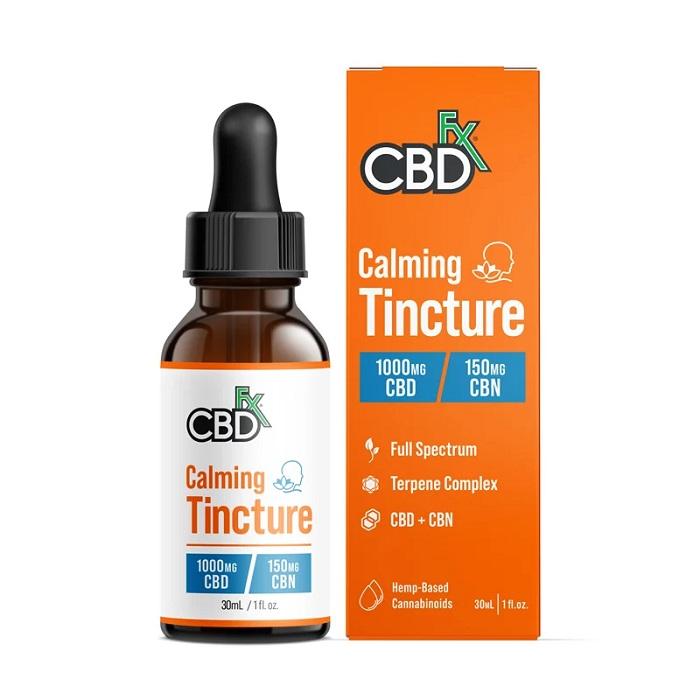
A CBD tincture is typically created by steeping hemp flowers in high-proof grain alcohol or by suspending CBD extract in a carrier oil, such as MCT oil or hemp seed oil. These products are designed for versatility and are available in various concentrations.
Common Consumption Methods
There are several ways individuals commonly interact with CBD tinctures. Each method affects how the body processes the compounds.
Oral and Sublingual Use
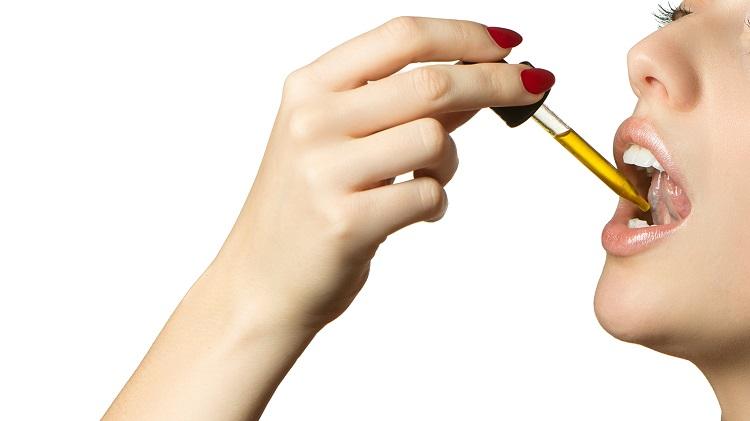
The most frequent method involves oral consumption. This can include placing the liquid directly in the mouth or mixing it into food and beverages. When mixed with food, the compounds are processed through the digestive system. Sublingual use involves holding the liquid under the tongue, where it is absorbed by the mucous membranes.
Topical Application
In some instances, oil-based tinctures are applied topically to the skin. Users may incorporate them into lotions or balms. This method is often chosen for localized application rather than systemic absorption, much like using an oil to soothe target areas.

Safety and Precautions
When considering the use of CBD products, safety should be the primary concern. It is important to acknowledge that the long-term effects of CBD are still being studied, and products can vary significantly in quality and purity.
Consult a Professional: Before starting any new supplement, including CBD, it is vital to consult with a healthcare provider. This is especially important for individuals who are pregnant, nursing, or taking other medications, as CBD can interact with certain pharmaceutical drugs.
Quality Control: Users should look for products that have undergone third-party laboratory testing. These reports, often called Certificates of Analysis (COAs), verify the cannabinoid content and ensure the product is free from contaminants like heavy metals, pesticides, or mold.
Inhalation Risks: It is critical to distinguish between tinctures meant for oral use and liquids meant for inhalation. Inhaling oil-based tinctures (such as those containing MCT oil) can lead to serious health complications, including lipoid pneumonia. Products must be used strictly according to their intended design and labeling.
Legal Status
The legal status of CBD varies by jurisdiction and is often dependent on the source of the CBD (hemp vs. marijuana) and the concentration of THC. In many regions, hemp-derived CBD with less than 0.3% THC is legal under federal law, but state or local regulations may differ. Always verify the current laws in your specific location before purchasing or possessing CBD products.
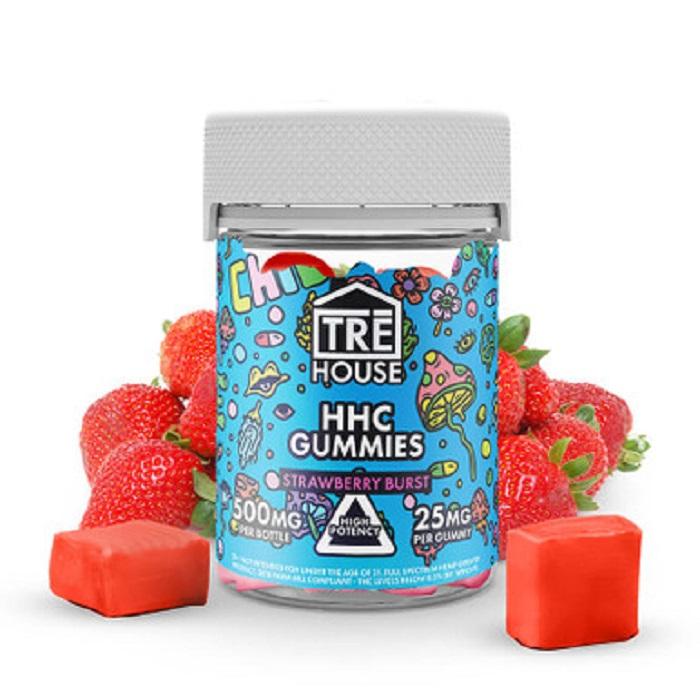
Read More: Experience the Magic of HHC Edible Gummies