

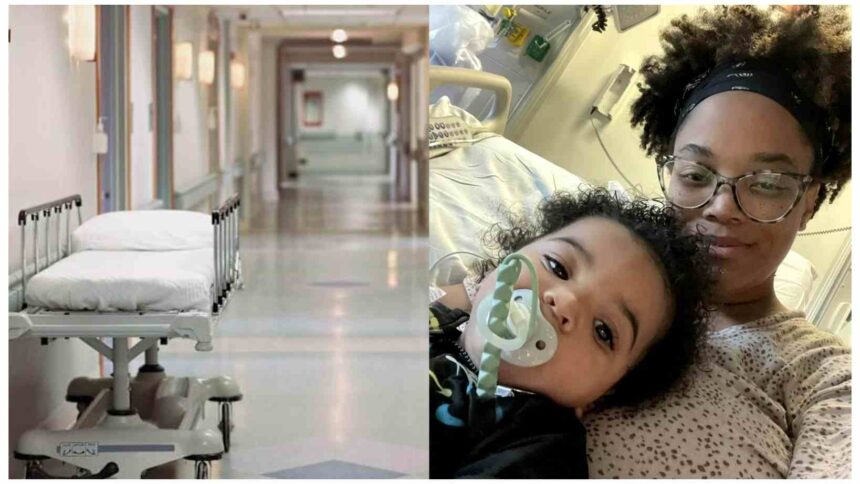
For the first time in her life, Tatyana Thompson woke up without pain. After decades of living with sickle cell disease, that moment marked a turning point, one made possible by an experimental treatment that is now showing strong results.
Thompson had been battling the genetic blood disorder since she was just two months old. The condition, which distorts red blood cells into a sickle shape, blocks blood flow and causes severe pain. Over time, it can damage organs and shorten life expectancy.
Her symptoms worsened sharply during pregnancy. Even after giving birth, the pain did not ease. Hospital visits became frequent. Everyday movement turned into a struggle.
“(It) can happen anywhere throughout your body … toes, fingers. I’ve had pain in my ears … A lot of the pain for me always happened in my arms, and my back, and my hips, my knees,” Thompson told TODAY. “Knees was a big one, to the point where I couldn’t even get out of bed.”
To cope, she relied on regular doses of Oxycodone every four hours. When that wasn’t enough, she added other medications like Tylenol and Motrin. Doctors later introduced hydroxyurea, a chemotherapy-based drug that helps reduce painful episodes by making blood cells more flexible. Still, the relief was limited.
The disease affects about 100,000 people in the United States each year. More than 90% of those diagnosed are Black patients. Many face serious complications such as strokes, kidney failure, and heart disease, with life expectancy often cut short.
For Thompson, the emotional toll ran just as deep as the physical pain. She missed key moments in her son’s early life while stuck in hospital rooms.
“I can’t live like this,” she thought at the time. “I’m literally missing out on everything my son is doing.”
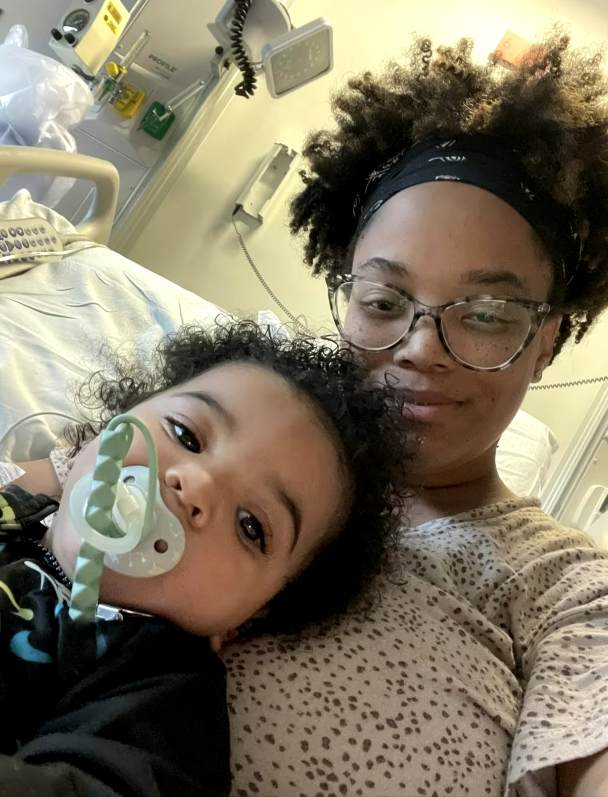
That urgency pushed her to explore new options. Doctors at Johns Hopkins offered her a chance to join a research program testing a newer form of bone marrow transplant. Unlike traditional transplants, this method allows for partial matches between donors and patients.
Her younger brother, Dakota, turned out to be a 50% genetic match.
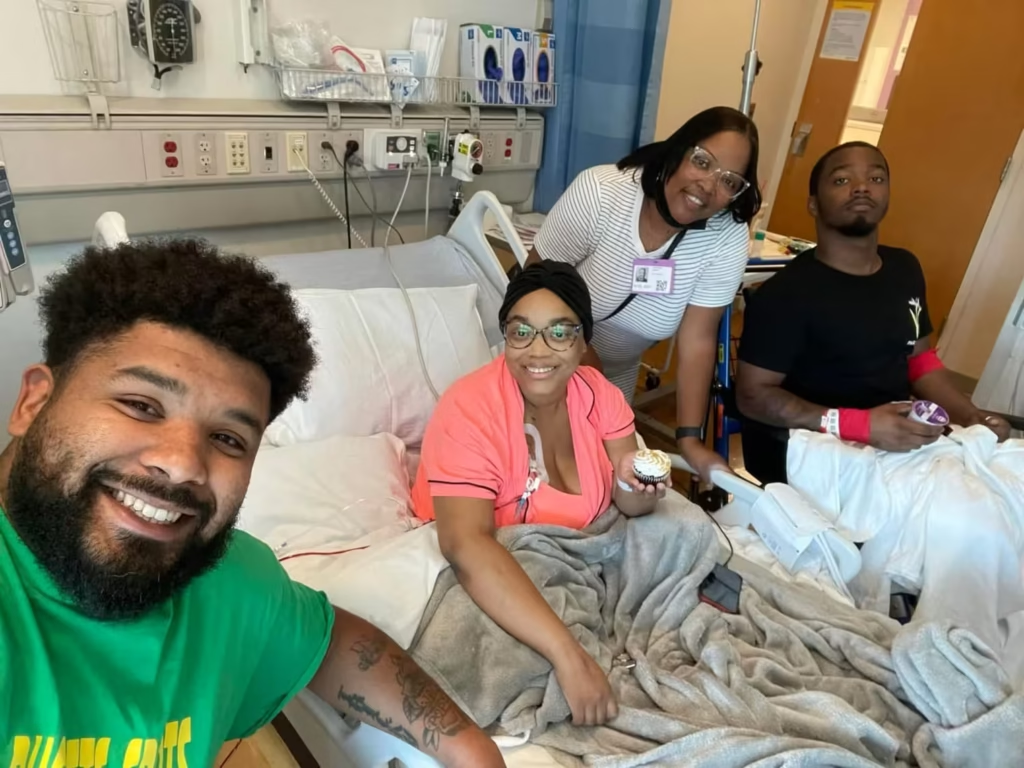
After undergoing preparation to help her body accept the donor cells, Thompson received the transplant in July 2024. The procedure itself lasted about two hours and resembled a standard blood transfusion.
The results were immediate—and life-changing.
She returned home the same day. The next morning, she noticed something she had never experienced before: complete relief.
By January 2025, she no longer needed pain medication. Instead of hospital stays, she was making memories with her family. On a trip to Great Wolf Lodge, she embraced a new normal.
“I just remember going down those water slides and literally having the time of my life because I knew I wasn’t going to the hospital the next day,” she recalled.
Her recovery reflects a wider medical shift. According to her doctor, Dr. Robert A. Brodsky, the treatment approach has reached a 94% disease-free survival rate in studies.
“[A cure is now] available to the majority, almost the entirety, of sickle cell patients,” Brodsky said.
The results are raising hope that what was once considered a lifelong condition may soon become curable for many.