
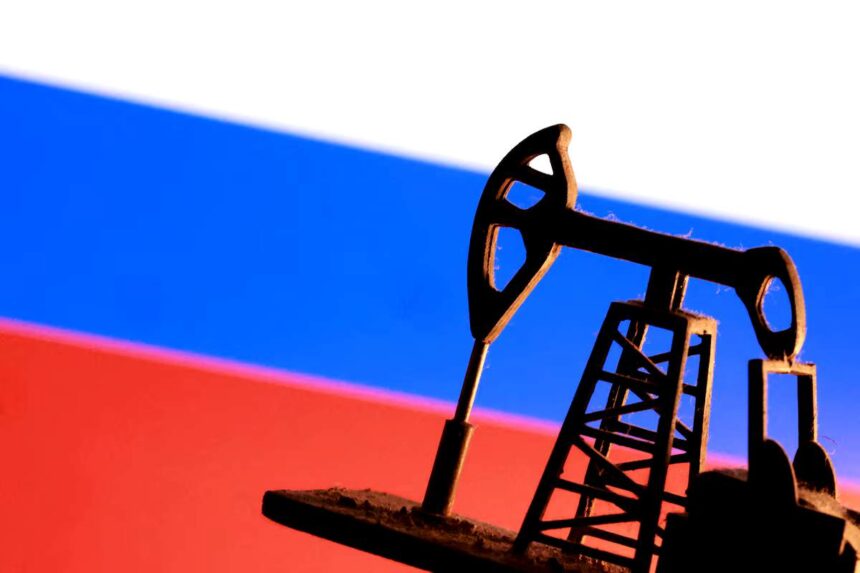
The Trump administration has announced a temporary rollback of certain Russian oil sanctions, allowing shipments currently stranded at sea to move forward as Washington seeks to stabilize global energy markets during the escalating conflict with Iran.
U.S. Treasury Secretary Scott Bessent revealed the decision late Thursday, describing the exemption as a limited and carefully designed measure aimed at easing pressure on oil prices without significantly benefiting Moscow. According to the Treasury Department, the temporary authorization will remain in effect until April 11.
In a statement posted on the social media platform X, Bessent emphasized that the step is narrowly focused and intended to prevent further disruption in international energy supplies.
“The narrowly tailored measure will not provide significant financial benefit to the Russian government,” he wrote.
The move comes as energy markets react to rising tensions in the Middle East, particularly following U.S. military strikes against Iran. Oil prices have surged in recent days amid concerns that the conflict could affect shipments passing through the strategically critical Strait of Hormuz, one of the world’s most important maritime oil routes.
Bessent also highlighted the administration’s broader approach to energy policy, crediting current leadership for boosting domestic production.
“President Trump is taking decisive steps to promote stability in global energy markets and working to keep prices low as we address the threat and instability posed by the terrorist Iranian regime,” the treasury secretary said.
He added: “President Trump’s pro-energy policies have driven U.S. oil and gas production to record levels, contributing to lower fuel prices for hardworking Americans.”
Bessent acknowledged the recent spike in oil costs but framed it as temporary. “The temporary increase in oil prices is a short-term and temporary disruption that will result in a massive benefit to our nation and economy in the long-term.”
The sanction adjustment follows another recent policy shift. Earlier this week, the administration eased restrictions on Russian crude exports, allowing India to purchase Russian oil for a limited 30-day period.
Meanwhile, Donald Trump has also authorized the release of 172 million barrels of crude oil from the Strategic Petroleum Reserve, a move intended to cushion domestic markets from global supply shocks.
The administration’s actions have drawn scrutiny from Democrats in Congress. Members of the U.S. Senate Committee on Banking, Housing and Urban Affairs recently pressed for more transparency on the easing of sanctions tied to Russian oil exports.
Several Democratic senators, including Elizabeth Warren, sent a letter to committee chairman Tim Scott requesting a hearing with Bessent before the end of March. Lawmakers are seeking clarification on how the temporary policy adjustments could affect both international energy markets and sanctions enforcement.
At the same time, tensions with Iran continue to influence market uncertainty. A statement attributed to Mojtaba Khamenei, identified as the country’s newly selected supreme leader, indicated that the Strait of Hormuz would remain closed — a development that could further complicate global oil shipments if enforced.
Energy analysts warn that disruptions around the strait could have immediate effects on crude supply chains worldwide, since a significant portion of global oil exports transit the narrow passage.
For now, U.S. officials say the temporary sanctions exemption is designed to keep oil flowing while geopolitical tensions remain high and markets remain volatile.