
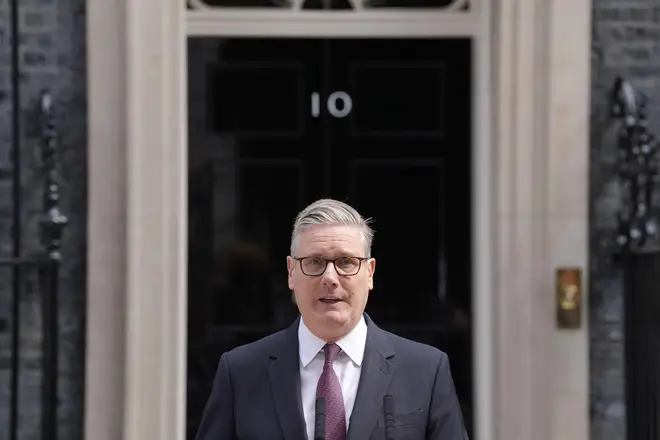
U.K. Prime Minister Keir Starmer announced on Monday that he will step down as both prime minister and leader of the Labour Party, bringing an abrupt end to a period of growing political instability and setting off a contest to determine his successor.
Speaking outside 10 Downing Street shortly after 9:30 a.m. in London, Starmer confirmed he would remain in office until Labour completes the process of selecting a new leader. The arrangement, he said, is intended to ensure a smooth transfer of power.
The decision follows months of mounting pressure within Labour ranks. Party lawmakers increasingly questioned Starmer’s ability to lead them into the next general election after disappointing local election results in May and growing dissatisfaction with key policy decisions.
The resignation marks a dramatic reversal for a leader who less than two years ago guided Labour to one of its strongest parliamentary majorities in the 2024 general election.
During his brief address, an emotional Starmer reflected on his time in office and defended his record.
Entering Downing Street had been the “proudest moment of my life,” he said, arguing that his government had restored Britain’s international standing, secured investment, and strengthened workers’ rights.
He acknowledged, however, that confidence within his party had weakened.
“I have heard the answer from my parliamentary party. I accept that answer with good grace. I will resign as leader of the Labour Party.”
Political tensions inside Labour had intensified in recent months. Starmer and Finance Minister Rachel Reeves faced criticism from members of their own party over fiscal policy decisions. Welfare reform proposals also generated opposition, while the appointment of Peter Mandelson as U.S. ambassador became another source of controversy because of his association with the late convicted sex offender Jeffrey Epstein.
Public sentiment appeared to be shifting as well. An Ipsos poll released Friday found that 52% of Britons believed Starmer should leave office, up five percentage points from May. By comparison, 35% said he should remain prime minister.
The leadership race was already beginning to take shape before Monday’s announcement. Former Greater Manchester mayor Andy Burnham strengthened his position after securing a decisive victory in a special election on June 18, a result that fueled speculation about a possible challenge for Labour’s top job.
Burnham received a significant endorsement on Monday from former health secretary Wes Streeting, who had been viewed as a potential contender himself.
In a message posted on X, Burnham praised Starmer’s service and confirmed his intention to seek the party leadership.
“It is important that this process is conducted in an orderly and responsible way. I will put myself forward as part of this process,” Burnham wrote.
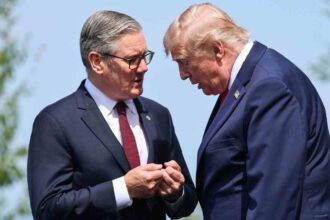
Starmer’s resignation also came hours after U.S. President Donald Trump posted on his Truth Social platform on Sunday about reports of a possible resignation effort involving the British prime minister.
Labour will now begin the formal process of selecting its next leader. If Burnham faces little opposition, party officials could complete the transition within weeks, allowing a new prime minister to take office shortly afterward.