
You start your car, look down, and see that scary yellow light. A glowing check engine light can ruin your day. It feels like a warning sign written in a secret code.
Do not panic yet. You can find the problem yourself before you spend big money at a repair shop. Here are five quick things you should check right now.
Why Is My Check Engine Light On?
Your car’s main computer turns on this warning light when a sensor detects a problem. The issue could be something small like a loose cap or something big like a broken engine part. Testing the most common problem spots first saves you time and stress.
How Do I Fix a Check Engine Light?
Many simple fixes do not require a mechanic. Start with these five troubleshooting steps to see if you can turn the light off yourself.
1. Examine the Gas Cap
A loose gas cap is the most common reason for this warning light. If you leave it loose after filling your tank, fuel vapors escape. This tricks your car into thinking there is a leak.
Open your fuel door and check the cap. Twist it until it clicks tightly. The light might stay on for a few miles before it resets.
2. Check the Battery and Electrical Connections
Weak batteries and loose wires easily trigger a warning light. Pop your hood and look closely at the battery terminals. Look for white or green crusty buildup on the metal.
Clean off any dirt and debris. Tighten the metal clamps with a wrench so they cannot wiggle. A solid electrical connection might clear the error code immediately.
3. Look at Your Gauges
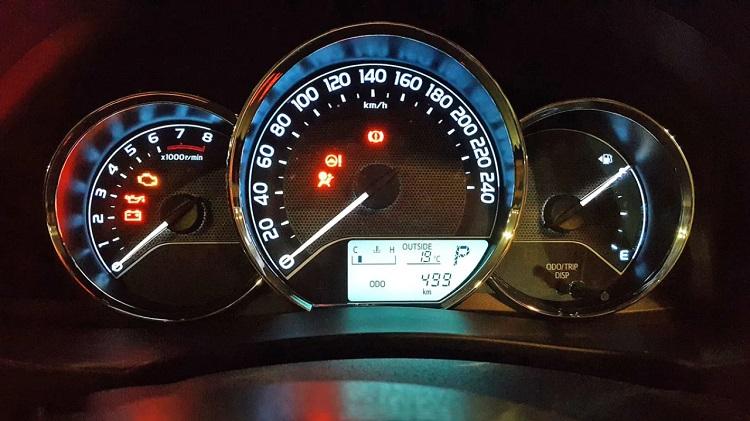
Your dashboard gives you important clues if you know where to look. Scan your dashboard gauges for fuel level, oil pressure, and temperature. You need to make sure your engine is not overheating.
Low oil pressure or high heat can destroy your motor quickly. Low fuel is easy to fix at a gas station. Other bad gauge readings mean you should shut the car off fast.
4. Inspect Your Spark Plugs
Dirty or worn-out spark plugs cause your engine to misfire. Misfires waste fuel and can cause permanent engine damage over time. Your car computer turns the warning light on the moment it feels a misfire.
Pull your plugs out to check them for dark soot or melted metal. Replace old or broken plugs right away to keep the engine running smoothly.
5. Test the O2 Sensors
Your oxygen sensors measure the leftover air in your exhaust. This helps your car mix the perfect amount of fuel. Bad sensors cause poor gas mileage and high emissions.
You can test these sensors using a simple OBD-II code scanner. Plug the tool in under your dash to read the specific error code causing your light.
Convenient Car Manuals on Your Phone
Finding fixing instructions is easy even if you lost your original paperback book. You can view free car repair manuals online right now. They work on your phone, tablet, or desktop computer.
These guides cover everything from basic oil changes to full wiring layouts. Enter your vehicle info to get step-by-step directions for your exact model year.
DIY Parts and Supplies
Treat this warning light as a helpful heads-up instead of a disaster. Local auto parts stores carry everything you need to solve the problem yourself. You can buy replacement gas caps, fresh spark plugs, and digital code readers today.
Never guess which parts fit your motor. Type your vehicle details into this online VIN decoder to see matching parts that fit your exact car.
Read More: Cerebras IPO Could Hit $4.8 Billion as AI Chip Demand Fuels Investor Frenzy