
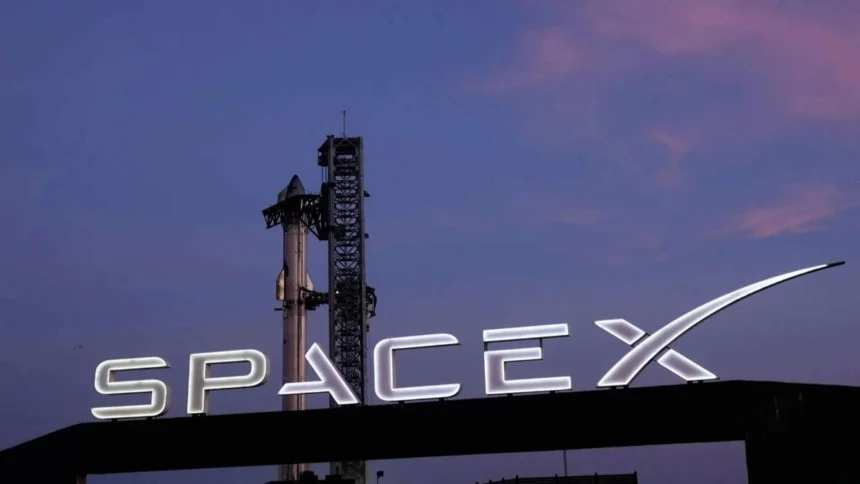
NEW YORK — Alphabet’s decade-old investment in SpaceX has grown into a $94.2 billion stake, turning the Google parent into the largest reported institutional shareholder of Elon Musk’s rocket company.
Alphabet disclosed that it owned 551.2 million SpaceX shares at the end of the second quarter. At SpaceX’s June 30 closing price of $170.86, the holding was worth about $94.2 billion.
The position traces back to Alphabet’s $900 million investment in SpaceX in 2015. Based on Thursday’s SpaceX share price, that original investment had grown to about $77.9 billion, or roughly 86.5 times its initial value.
Alphabet’s gain stands out as SpaceX moves from a privately held startup into a publicly traded company. SpaceX completed its $86 billion initial public offering in June.
Alphabet’s filing shows it held more SpaceX shares than any other institutional investor identified in publicly available quarterly filings reviewed by Reuters.
Fidelity Investments ranked second with 302.6 million shares. Gigafund Management held 171.8 million, while Baillie Gifford and BlackRock reported 51.4 million and 51 million shares, respectively.
Together, those five investors held nearly three-quarters of the SpaceX shares reported by institutional investors.
Other major holders included Saudi Arabia’s Public Investment Fund, which reported 154.1 million shares worth $26.3 billion at the end of June.
Hancock Prospecting, controlled by Australian mining billionaire Gina Rinehart, reported 8 million shares worth $1.4 billion. Brookfield Corp. held 19.2 million shares, while Balyasny Asset Management reported 3.4 million.
Tiger Global Management reported a smaller 375,000-share position valued at about $64.1 million.
The institutional holdings do not provide a complete picture of who owns SpaceX or what those investors plan to do with their shares.
13F filings are compiled quarterly and released within six weeks of the end of each quarter. That means the latest figures do not show purchases or sales made after June 30.
The filings also do not reveal whether investors are subject to lockups or whether they intend to sell shares from positions acquired before the IPO.
“It’s very, very difficult to tease out which of these institutions were holding pre-IPO shares,” said Steve Sosnick, market strategist at Interactive Brokers.
Alphabet provides a clearer comparison because it publicly disclosed its original $900 million SpaceX investment in 2015.
Sosnick said the filings also do not show investors’ lockup status or their plans for taking profits from pre-IPO holdings.
SpaceX began public trading on June 12 at $135 per share. Its stock later climbed to $170.86 at the end of June before falling back.
SpaceX closed at $141.29 on Thursday. That left the stock 4.7% above its IPO price but 17.3% below its June 30 closing level.
At that Thursday price, Alphabet’s reported stake was worth about $77.9 billion.
SpaceX remains heavily concentrated among major investors. A separate regulatory filing showed Musk owned 48.4% of the company.
Sosnick said SpaceX remains among the most actively traded stocks among Interactive Brokers customers. The stock received a “fresh jolt of buying last week when market fears about what would happen when the first lockup expiry arrived proved to be unfounded.”
Retail investors have also played a role in recent trading. Unlike institutional investors, individuals do not have to report their SpaceX holdings to the SEC.
Vanda Research, which tracks self-directed individual investors, said retail holders became net sellers on Friday for the first time since the IPO.
The group sold a net $4.5 million worth of shares that day, according to Vanda. SpaceX shares had fallen 3% on Thursday but were still up 30% since August 5.