


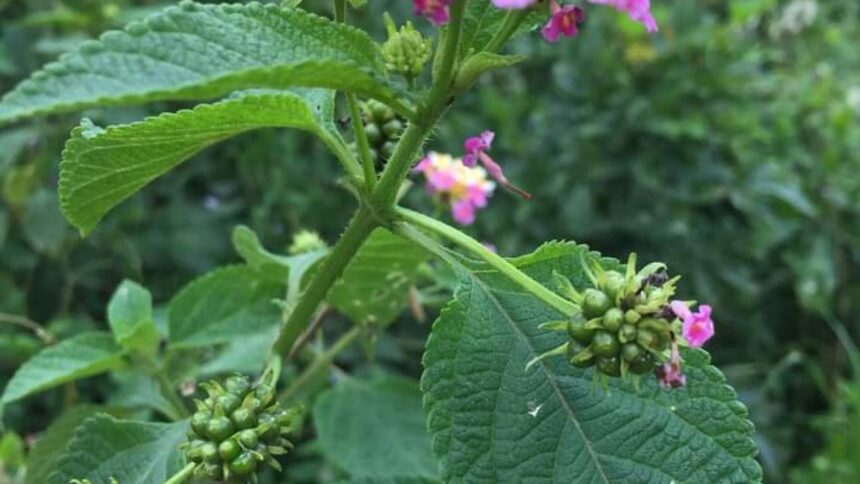
Say Goodbye to Hemorrhoids Naturally with Ananse Dokono (Lantana camara).
Hemorrhoids or piles are uncomfortable, painful, and sometimes embarrassing. But you don’t always need expensive creams or surgery right away. In many traditional Ghanaian homes, Ananse Dokono (the local name for Lantana camara) has been used as a gentle, natural remedy for hemorrhoid symptoms.
What Is Ananse Dokono?
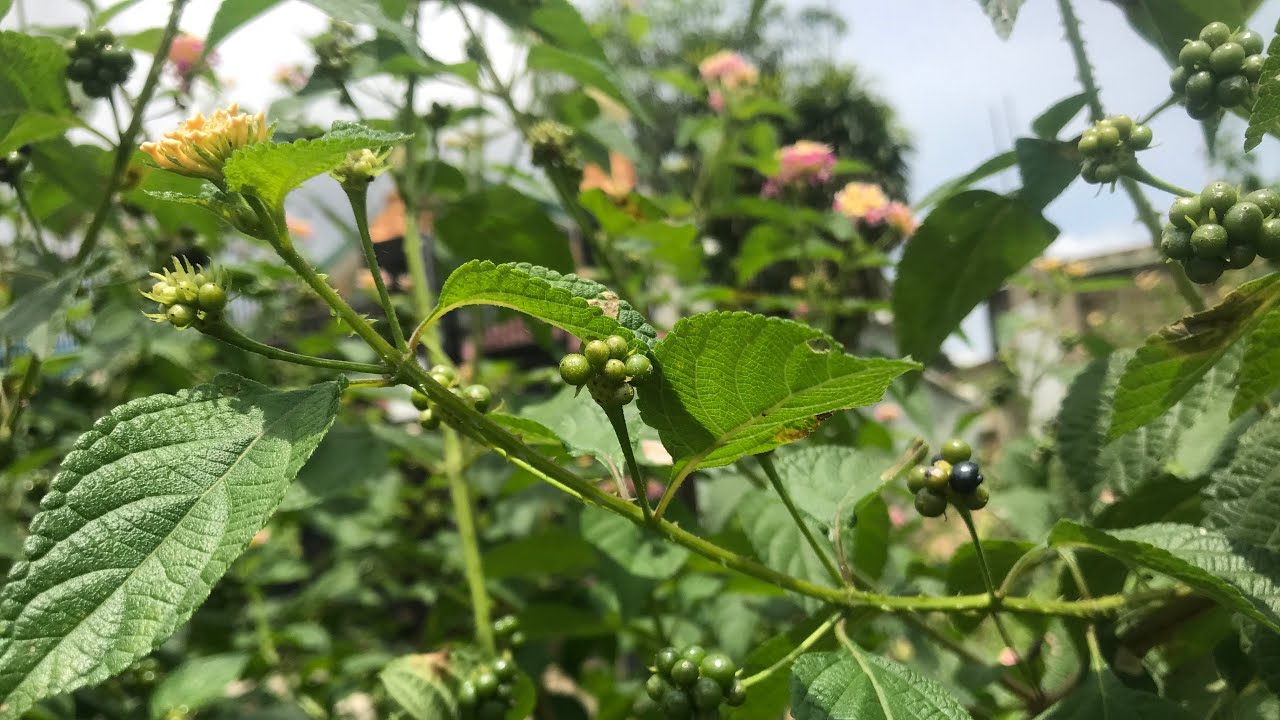
Ananse Dokono is the common name in Ghana for Lantana camara, a flowering shrub in the verbena family. Despite being seen by some as a weed, this plant holds a long history of medicinal use. Studies show that the leaves contain compounds like flavonoids, terpenes, saponins, and steroids many of which contribute to its anti-inflammatory, antioxidant, and wound-healing properties.
In fact, traditional medicine systems across Africa and Asia have long used Lantana camara to treat a variety of conditions including swelling, skin infections, coughs, ulcers, and digestive issues.
Hemorrhoids: Causes and Symptoms
Causes of Hemorrhoids
Hemorrhoids can develop for various reasons, including:
- Straining During Bowel Movements: The pressure exerted during constipation or diarrhea can strain the rectal area’s blood vessels, leading to hemorrhoids.
- Chronic Constipation or Diarrhea: Prolonged periods of constipation or diarrhea increase the risk of hemorrhoids due to repeated straining.
- Sitting for Long Periods: Sitting for extended periods, especially on the toilet, can elevate pressure on the anal and rectal veins, making hemorrhoids more likely.
- Aging: As people age, the tissues supporting the veins in the rectum and anus can weaken, making it easier for hemorrhoids to develop.
- Genetics: Some individuals may have a genetic predisposition to developing hemorrhoids.
- Low-Fiber Diet: A diet low in fiber can lead to constipation, which in turn increases the risk of straining during bowel movements and the development of hemorrhoids.
- Obesity: Excess weight can exert additional pressure on the veins in the rectum, contributing to hemorrhoid development.
- Pregnancy: Pregnancy places increased pressure on pelvic veins and the rectal area, making pregnant women more susceptible to hemorrhoids.
Symptoms of Hemorrhoids
Identifying the symptoms of hemorrhoids is crucial for early intervention. Common symptoms include:
- Rectal bleeding during bowel movements
- Itching and irritation in the anal region
- Swelling or lumps around the anus
- Pain or discomfort during bowel movements
- Mucus discharge
How Ananse Dorkono Leaves May Help Hemorrhoids
Here’s what makes Ananse Dokono potentially effective for piles:
- Anti-inflammatory effects: The anti-inflammatory compounds in Lantana camara help reduce swelling and irritation in the anal veins.
- Analgesic (pain-relieving) action: Traditional use of crushed leaves has been linked to relief from pain and discomfort.
- Antimicrobial properties: Lantana has antimicrobial and antiseptic qualities, which may help prevent infection in irritated or ruptured hemorrhoid tissue.
- Digestive support: Some studies show that extracts from Lantana can help regulate bowel movement and reduce intestinal irritation, which indirectly helps ease strain during defecation.
There is also clinical research: a small study tested an aqueous extract of Lantana camara in patients with first- and second-degree hemorrhoids. After 28 days, participants reported reduced bleeding, swelling, pain, and discharge with few reported side effects.
How to Use Ananse Dokono for Hemorrhoids (Steam Method)
Ananse Dokono leaves, also known as Lantana camara, offer a natural remedy for hemorrhoids. See below for all the items needed, as well as the procedures to have a complete home remedy for hemorrhoids treatment. Here’s how to use them:
Items:
- Ananse Dokono Leaves / Lantana Camara
- Bowl or Bucket
- Clean Water
Procedure:
If you’re trying the steam-treatment method at home, here’s a safe and effective way:
- Harvest fresh leaves: Pick clean, green Lantana camara leaves. Wash thoroughly under running water.
- Prepare a pot: Use a deep pot, add enough water to produce steam but not submerge the leaves completely.
- Add leaves: Place the washed leaves into the pot.
- Boil gently: Bring the water to a light boil, then lower the heat so steam is produced but the leaves don’t burn.
- Steam seat: Sit — carefully and safely — over the pot so the steam can rise and reach the anal area. Maintain a safe distance to avoid burns.
- Duration: Steam for about 8–10 minutes, or until steam starts to weaken.
- Rest and clean: After steaming, pat the area dry with a clean towel. It’s helpful to rinse with cool, clean water if needed.
You can repeat this steam treatment once or twice daily for seven (7) days, depending on how you feel. But don’t overdo it.
Note: Sit on the bucket until the water cools. And always use new leaves for each procedure.
Important Safety Notes & Precautions
- Medical Disclaimer: This is a traditional remedy, not a substitute for professional medical care. If you experience heavy bleeding, extreme pain, fever, or persistent symptoms, consult a qualified health professional immediately.
- Potential toxicity: While the leaves are often used, other parts of Lantana camara such as its berries can be toxic, especially in large amounts.
- Allergy risk: Always patch-test before using herbal remedies. Some people may be allergic to Lantana.
- Pregnancy and children: Use with extra caution. There’s limited data on safety in pregnant or nursing women, and in children.
- Long-term use: Do not rely solely on herbal steam if you have chronic or severe hemorrhoids — combine with medical advice and possibly other treatments.
When to See a Doctor
Use this remedy as a supportive option — not a replacement for care. You should seek medical advice if:
- You notice persistent bleeding or bright red blood during bowel movements
- Pain or swelling does not improve after a week of home treatment
- You develop a fever, discharge, or signs of infection
- Hemorrhoids prolapse often or are very large
Also consider over-the-counter or prescription treatments, such as the best hemorrhoid cream, or even professional procedures if recommended by a doctor.
Boosting Effectiveness & Comfort
To improve outcomes:
- Diet: Eat high-fiber foods (vegetables, whole grains) to soften stools and reduce straining.
- Hydration: Drink plenty of water throughout the day.
- Hygiene: Use gentle, unscented wipes or rinse with clean water after bowel movements.
- Lifestyle: Avoid sitting for too long; take breaks to move around.