
Pennsylvania lawmakers have taken a major step toward ending a tax incentive that could cost the state more than $517 million each year by 2030, marking one of the strongest bipartisan votes of the current legislative session.
The Pennsylvania House approved HB 2198 by a 197–5 vote on June 25, 2026. The Senate followed with its own measure, HB 1667, passing it 44–6. Both bills seek to eliminate the state’s sales tax exemption for large data center projects, a benefit that supporters say has become too expensive while critics argue it is no longer needed to attract investment.
The tax exemption traces back to 2016, when Pennsylvania introduced the Computer Data Center Equipment Exemption as a limited refund program capped at $5 million per year. Lawmakers expanded the program in 2021 by removing the spending cap and converting it into a full exemption from the state’s 6% sales tax. The change took effect on January 1, 2022, covering purchases such as computer servers, networking equipment, and certain construction expenses.
To qualify, companies were required to invest between $75 million and $100 million in new facilities and create 25 to 45 jobs within four years, depending on the county where the project was located.
State budget estimates show how quickly the cost has grown. The exemption is projected to reduce state revenue by about $188.4 million during fiscal year 2026–27, with annual costs expected to rise to $517 million by the end of the decade. Multiple data center developments were already receiving the tax benefit as of January 2026.
Supporters of the repeal argue that the incentive has become an unnecessary subsidy for some of the world’s largest technology companies.
“We’re giving these sales tax exemptions to companies like Amazon, Microsoft, Alphabet — companies that have net incomes in excess of $100 billion a year,” Rep. Greg Vital, the bill’s prime sponsor, told colleagues on the House floor. “This is not right. This is not needed. This is not what our constituents want.”
Public opinion appears to have strengthened that argument. An Emerson College survey conducted in December 2025 found that 42% of Pennsylvanians opposed having data centers built in their communities, while 34% supported them. Lawmakers backing repeal also contend that companies were already planning projects across much of the state, making the tax incentive unnecessary to encourage additional investment.
The debate is not completely settled.
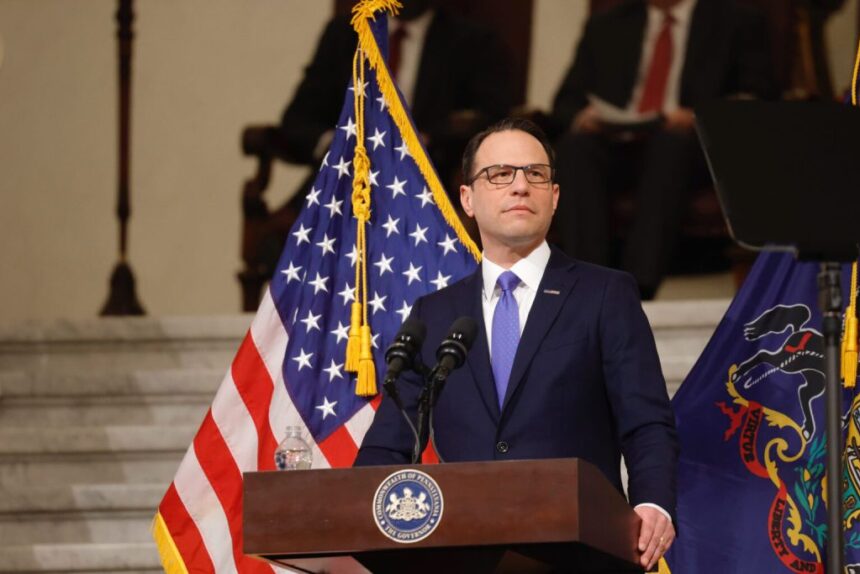
Governor Josh Shapiro supports a different approach that would allow incentives to continue under stricter conditions instead of eliminating them outright. His proposal would require projects to meet GRID standards, including commitments related to environmental protections, local hiring, and community engagement.
“I know Pennsylvanians have real concerns about these data centers and the impact they could have on our communities, our utility bills, and our environment,” Shapiro stated.
Those standards are included in HB 2650, which passed the House by a 134–58 vote. The Senate must now decide how to reconcile the competing proposals before any final policy changes become law.
If lawmakers approve a full repeal, developers would no longer receive sales tax relief on equipment purchases that often total hundreds of millions of dollars. Some companies could reconsider where they build future facilities, particularly in states offering more generous tax incentives.
The votes also reflect a broader shift in Pennsylvania’s economic strategy. Instead of offering large incentives to attract data centers, lawmakers are placing greater emphasis on whether AI infrastructure projects deliver enough value for local communities, utility customers, and the state’s long-term budget.