
The Trump administration has launched a $17.5 billion financing initiative designed to accelerate construction of 10 large-scale nuclear reactors, marking one of the most significant federal efforts to expand U.S. nuclear energy production in decades.
Officials at the Department of Energy announced Tuesday that the funding will be distributed through as many as five conditional loans. Each loan package would support the development of two nuclear reactors through projects jointly owned by Westinghouse Electric Company and partnering utility or energy firms.
The financing is expected to help developers secure critical nuclear plant components, many of which require lengthy manufacturing timelines. Federal officials believe early investment in these materials could shorten development schedules and reduce overall project costs.
Energy Department Secretary Chris Wright described the initiative as a major step toward rebuilding America’s nuclear industry.
“This deal plays an important role in reviving the supply chain needed for America to once again build large-scale commercial reactors,” he added.
According to department officials, the goal is to have reactor construction underway by 2030. If those timelines are met, the facilities could begin generating electricity during the middle of the next decade.
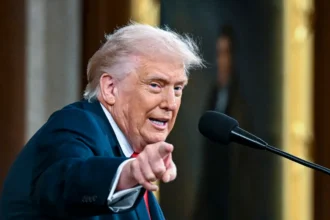
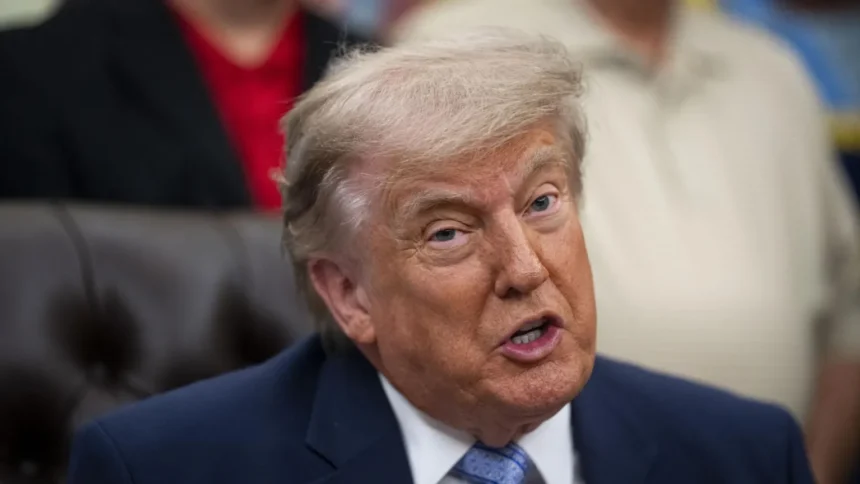
The announcement aligns with the administration’s broader strategy to expand nuclear power generation nationwide. Last year, President Donald Trump signed an executive order that set a target of quadrupling U.S. nuclear energy capacity by 2050.
Supporters argue that nuclear energy can strengthen grid reliability while providing carbon-free electricity. The technology has gained backing from both conservative energy advocates and many environmental groups that view nuclear power as a tool for reducing greenhouse gas emissions.
Critics, however, continue to raise concerns about reactor safety, radioactive waste management, and the long-term costs associated with nuclear projects.
Despite renewed interest in the sector, the industry has struggled to expand rapidly. While new reactors entered service in 2023 and 2024, much of the nation’s existing nuclear fleet was built decades ago. Developers have frequently encountered high construction costs, regulatory hurdles, lengthy approval processes, and project delays.
To qualify for the federal financing, Westinghouse and each project partner must contribute $500 million upfront for every proposed development. Department officials said Westinghouse has already signed letters of intent with seven potential partners, though neither the companies involved nor the planned project locations have been publicly identified.
Wright emphasized that achieving the administration’s long-term energy objectives will require large-scale reactor construction alongside other nuclear technologies.
“drives down costs and accelerates nuclear deployment in America.”
“We need to use all technologies and we critically need to build more large reactors again in the United States.”