
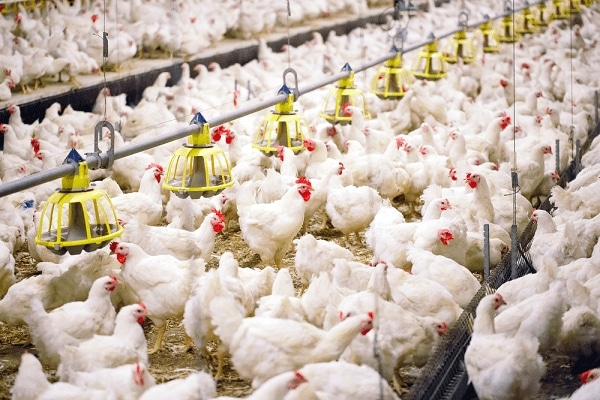
Starting a home-based poultry farm is one of the easiest ways to earn daily income and grow fresh food. You can start small in your backyard with cheap day-old chicks and simple supplies.
How to Start a Small Poultry Farm at Home
To start a home poultry farm, buy healthy day-old chicks, set up a warm coop with dry bedding, and offer balanced commercial feed and clean water. Focus on egg-laying hens for a steady daily yield, and keep the housing clean to avoid common bird diseases.
Chickens, ducks, turkeys, and geese are great for backyard farming. Most beginners choose female chickens (hens) because they are quiet and lay nutritious eggs every day.
3 Steps to Design a Backyard Poultry Coop
1. Buy Healthy Chicks
Buy strong chicks from trusted hatcheries. Check them daily for signs of sickness to protect your flock from common outbreaks like Avian Influenza or Newcastle disease.
2. Prepare Safe Housing
Your flock needs a dry coop that keeps out predators. Make sure the space includes safe nesting boxes where hens can lay eggs without breakages.
3. Work with Reliable Suppliers
Partner with local feed stores to get fair prices on starter feeds. Buying bulk quality feed keeps your bird growth high and costs low.
Basic Needs for Raising Chickens at Home
Chickens need specific daily care to stay healthy and lay high-quality eggs:
Housing: Put concrete or packed dirt on the floor, covered with clean straw, hay, or wood shavings. Use solid wire mesh to keep out stray cats, dogs, and rats.
Heating: Young chicks need warm brooding lights, especially in winter. Cold drafts cause severe respiratory illnesses and quick chick loss.
Lighting: Bright lights keep young chicks active and eating. Use warm heat lamps all day for new chicks, and lower the light level as they grow feather coats.
Feed and Water: Feed your flock quality commercial grains mixed with safe table scraps. Do not feed raw meat or spoiled scraps, as they rot and breed dangerous fungi.
Vaccinations: Get mandatory vaccines early to shield your birds from lethal flock illnesses. Sick birds do not show easy signs, so prevention is key.
Related: How To Become A Content Creator
Key Benefits of Backyard Poultry Farming
- Get a constant supply of fresh eggs and organic meat right at home.
- Lower food store bills by growing your own high-protein items.
- Earn extra money selling surplus eggs directly to your neighbors.
- Turn poultry manure into rich garden fertilizer for fruits and crops.
How to Prevent Chicken Diseases
- Give every chicken enough floor space and keep feeders dry and clean.
- Keep different poultry species separated to stop cross-contamination.
- Isolate sick birds right away and contact a vet at the first sign of illness.
- Separate roosters from aggressive groups if pecking becomes an issue.
- Move poultry manure away from coops daily and sanitize the floor area regularly.
- Trim chick beaks safely at day seven if harmful pecking behavior starts.
Also Read: How To Start A Fish Farming Business
Frequently Asked Questions
Is home poultry farming profitable?
Yes. Backyard poultry farming yields quick returns through regular egg sales and meat production while keeping startup operational costs low.
What is the best bird for beginner poultry farmers?
Egg-laying chicken breeds are best for beginners. They are easy to feed, fit well in simple coops, and produce daily eggs with low maintenance.
How many chickens should a beginner start with?
Beginners should start with 4 to 6 hens. This small size gives you enough daily eggs for a family while keeping flock care simple and affordable.
How much space does each chicken need in a coop?
Each chicken needs about 3 to 4 square feet of space inside the coop and 8 to 10 square feet in an outdoor run. Giving them enough space prevents stress and stops pecking habits.
How long do hens lay eggs?
Hens lay the most eggs during their first 2 to 3 years. Production slowly drops as they age, but many hens continue laying eggs for up to 5 to 7 years.
What foods should you never give to chickens?
Do not feed chickens raw beans, green potato skins, avocado peels, citrus fruits, or spoiled foods. These items contain toxins that can harm or kill your flock.
How much water does a chicken drink each day?
An adult chicken drinks about one pint of fresh water every day. On hot summer days, they can easily drink twice that amount to stay cool.