

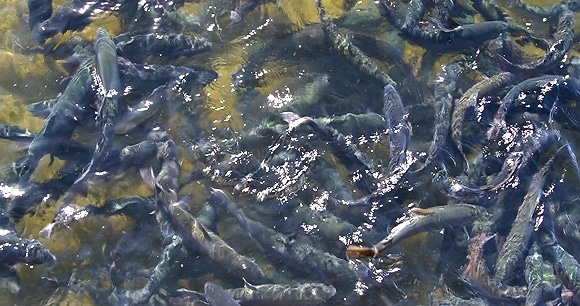
Fish farming is a high-profit agricultural business that produces healthy food year-round. Modern aquaculture produces over half of all fish eaten globally, making it a booming industry for new owners.
Starting a fish farm gives you a reliable source of income. This step-by-step guide covers how to launch, manage, and scale your own successful fish farming operations.
How Do You Start a Fish Farming Business?
To start a fish farming business, pick a suitable location with clean water, choose the right fish species, construct sturdy ponds or tanks, install proper aeration equipment, and secure high-quality feed. Acquire necessary local permits and plan your sales strategy before buying your initial fish stock.
Benefits of Fish Farming
High Market Demand
Fish is an essential protein source across the globe. Oily fish like Salmon, Tuna, and sardines contain high amounts of “Omega 3 Fatty Acids” that boost brain function and heart health.
Fish reproduce rapidly, allowing farm owners to maintain constant inventory and enjoy high sales volume all year long.
Affordable Start-Up Costs
Building a fish farm costs less upfront than raising livestock like cattle or pigs. You can start small in your own backyard and grow your business as profits increase.
Rapid Fast Growth
Farming fish provides a fast return on investment. Many commercial species reach harvest size within 4 to 6 months of stocking.
Flexible Business Model
You can run a small fish farm part-time while working a full-time job. Automated feeders and basic monitoring tools make daily maintenance quick and simple.
Methods of Fish Farming
Extensive Fish Farming
Extensive farming relies on natural water bodies like large earthen ponds. Fish feed mainly on natural organisms boosted by organic fertilizers, keeping operational costs very low.
Semi-Intensive Fish Farming
Semi-intensive setups combine natural pond food with commercial feed pellets. This balanced approach increases total fish production while keeping feed expenses manageable.
Intensive Fish Farming
Intensive farming uses high-density tanks or Recirculating Aquaculture Systems (RAS). Fish rely entirely on high-protein commercial feeds and continuous water filtration to maximize total yields.
Related: Establishing a Poultry Farm At Home
The Target Market for Fish Farming
Fresh fish moves quickly in local markets. Build strong sales relationships with key buyers in your area before your first harvest:
- Local grocery stores and open-air food markets
- Restaurants, hotels, and catering services
- Wholesale fish distributors and frozen food processors
- Direct-to-consumer sales at local farms or farmers’ markets
Types of Fish to Consider When Starting a Fish Farming Business
Tilapia
Tilapia is one of the easiest species to farm. They grow fast, eat low-cost plant-based feed, adapt to warm water, and handle varied water conditions well.
Catfish
Catfish are tough, fast-growing fish with strong resistance to common diseases. They survive in low-oxygen waters and yield strong profit margins for beginners.
Where to Raise Fish
Choosing the right enclosure depends on your budget, available land, and target water supply:
- Earthen Ponds: Traditional dug ponds that work well for low-cost, large-scale operations.
- Concrete Tanks: Durable indoor or outdoor structures that offer easy cleaning and predator control.
- Tarpaulin or Plastic Tanks: Affordable, portable choices perfect for small spaces and backyard setups.
- Cage Systems: Enclosed net structures placed inside natural lakes, rivers, or large reservoirs.
Benefits of Aeration
Proper water aeration keeps fish healthy and prevents unexpected mass die-offs. Aeration systems pump fresh oxygen directly into the water, helping fish convert feed into weight much faster.
Aeration also breaks up toxic gases, stops waste buildup, and improves overall water circulation throughout your tanks or ponds.
Also Read: How To Become A Content Creator